Best Gate Locks for Seniors: Easy Access Without Compromising Security

Choosing a gate lock for an elderly parent, grandparent, or senior household is a different calculation than choosing one for a 35-year-old with full hand strength and sharp vision. The lock needs to be genuinely easy to operate every single day — not just theoretically — while still keeping the yard secure.
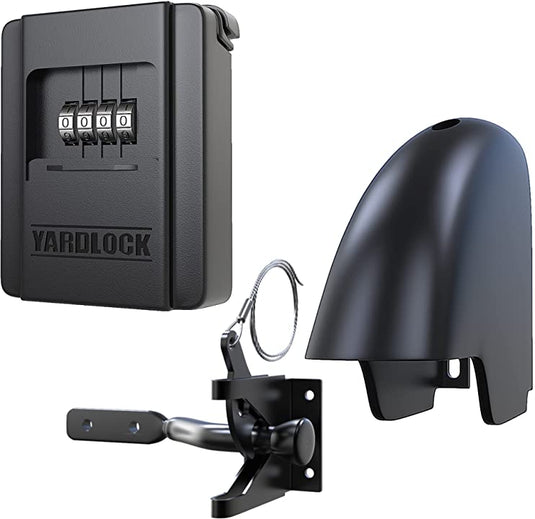
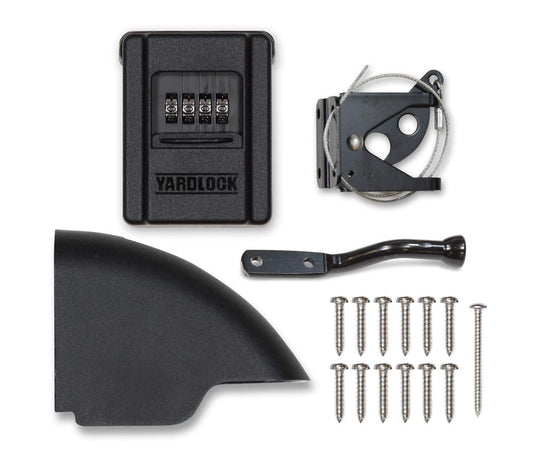
Two Easy-to-Use Yardlock Options
These models feature larger combination dials, keyless entry and one-handed access—helping make everyday gate use simpler for seniors, caregivers and visiting family members.
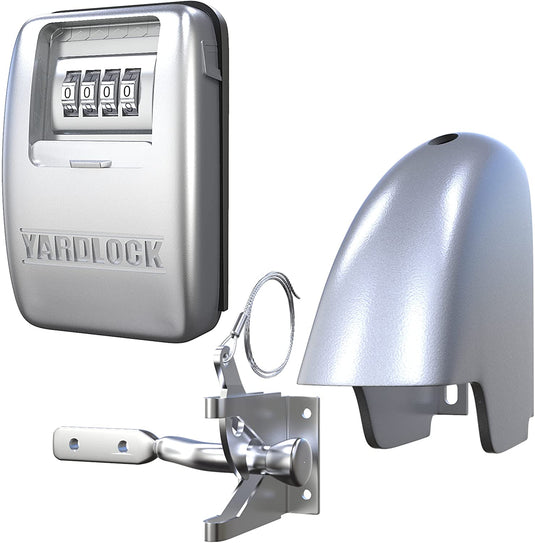
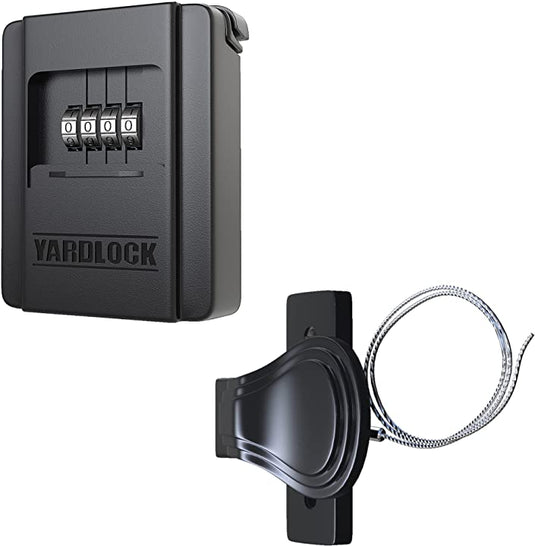
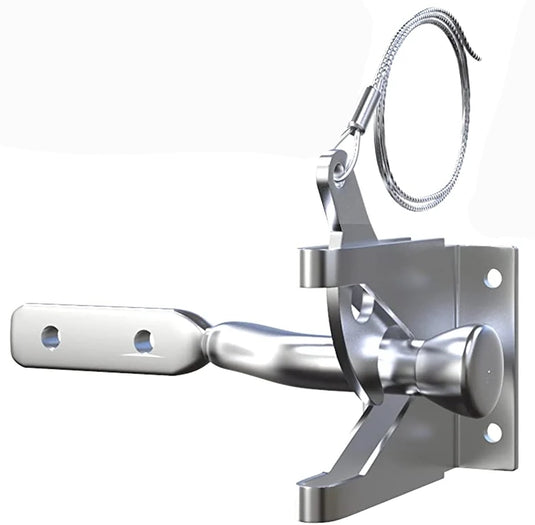
Gate Lock XLS Heavy Duty
A premium stainless-steel system with a larger combination housing, designed for dependable access in rain, snow and freezing weather.
- XL-sized number dials for improved visibility
- Keyless access with no batteries or mobile app
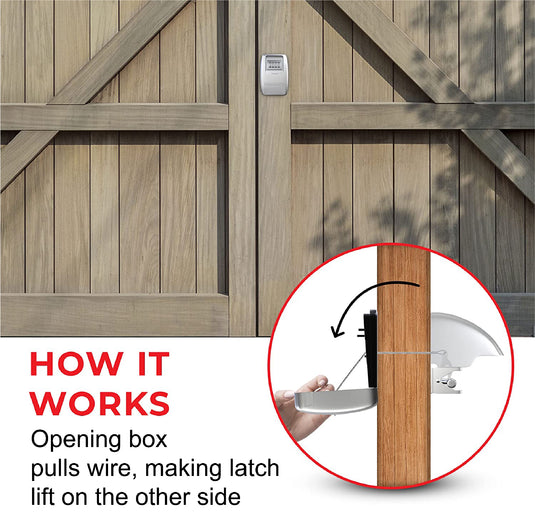
- Self-latches automatically when the gate closes
- Stainless-steel hardware for added rust resistance
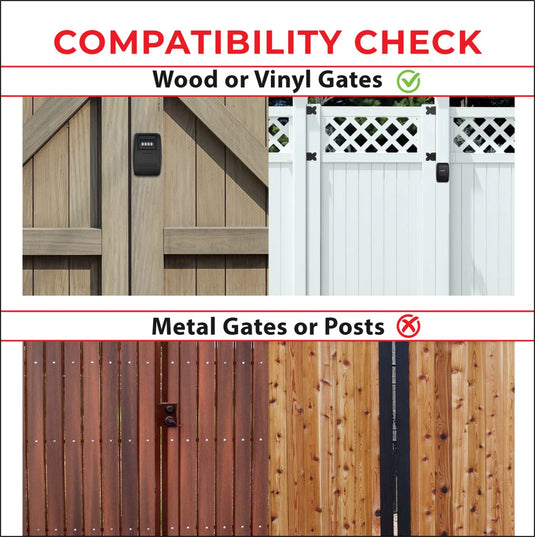
- Suitable for wood, vinyl and compatible metal gates
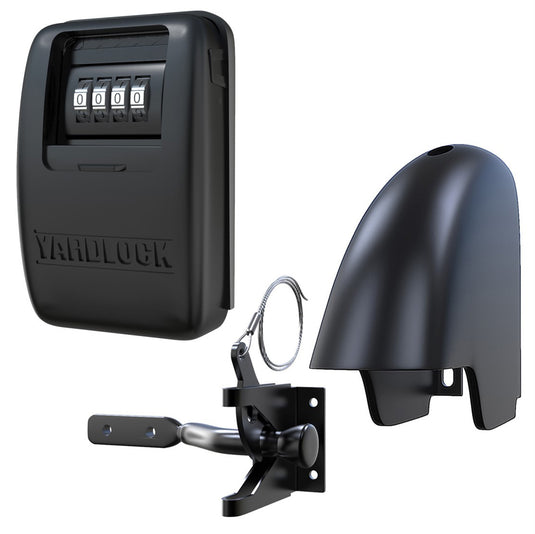
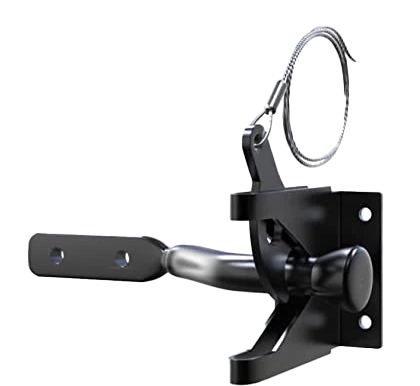
GATELOCK XLB
A larger black gate lock offering the same keyless convenience with an extended housing that is easier to locate and operate.
- XL-sized number dials for easier daily operation
- No keys to carry, lose, insert or turn
- Fully mechanical operation with no charging required
- Automatic self-latching for added peace of mind
- Classic black finish for residential gates
This guide covers what to look for, what to avoid, and which types of locks actually work well for older adults.
Why Standard Gate Locks Fail Older Adults
Most residential gate locks are designed for typical adult use — they assume a user with full grip strength, good fine motor control, adequate vision at close range, and the physical ability to apply moderate force to a mechanism. For many older adults, none of those assumptions hold consistently.
The result is gate locks that are technically functional but practically frustrating or even painful to use daily. A lock that a 40-year-old opens in two seconds can be a genuine barrier for a 78-year-old with mild arthritis, reduced grip strength, or slightly impaired vision. And a frustrated older adult who struggles with the lock will eventually stop using it properly — either leaving the gate unlocked or propping it open — which undermines the entire purpose of having a lock at all.
Understanding the specific challenges that affect older adults helps you choose a lock that works with their abilities rather than against them.
The Real Challenges Older Adults Face with Gate Locks
Reduced grip strength and hand strength
Grip strength declines with age, often accelerated by arthritis, hand injuries, or chronic conditions. A lock that requires significant squeezing, pinching, or sustained pressure to operate will be genuinely difficult for many seniors — especially on cold mornings when joints are stiffest.
Arthritis and reduced fine motor control
Arthritis affects approximately 60% of adults over 65 in some form. Small, fiddly mechanisms — tiny keyhole openings, stiff combination dials, recessed push buttons that require precise finger placement — become real obstacles for arthritic hands. The lock needs to be operable with a less precise grip.
Visual impairment and difficulty reading small markings
Many older adults have reduced close-range vision, even with glasses. Small digit markings on combination dials, recessed latch positions, and keyholes that are hard to locate in low light all create barriers. A lock with large, clear dial markings and an obvious latch position is meaningfully easier to use.
Memory and cognitive considerations
For seniors experiencing mild cognitive changes, a combination code that must be remembered reliably presents a different challenge than for younger users. This doesn't mean combination locks are wrong for seniors — but code selection, the number of digits required, and having a secure backup reference all matter more in this context.
Difficulty applying lateral or upward force
Latches that require upward lifting, levers that must be pressed down with sustained force, or gate handles that require holding open while operating the lock — these all become harder with age-related strength and mobility changes. One-handed operation with minimal force is the ideal standard for senior-accessible gate hardware.
What to Look for in a Senior-Friendly Gate Lock
A gate lock that works well for older adults doesn't require special "senior" branding — it requires specific design characteristics that happen to also make locks better for everyone. Here's what to prioritize:
Large, clearly marked combination dials
Digits should be large enough to read without glasses at arm's length in daylight. Dials should turn smoothly with light finger pressure and have distinct tactile clicks between positions.
One-handed operation
The lock should open and close with one hand, without needing to simultaneously hold the gate open, hold something else, or use two hands for the mechanism itself. One-hand use is essential for seniors who use a walking stick or cane.
Self-latching on gate close
Automatic latching means there's nothing to remember on the way out. The gate closes and locks itself. For seniors who may be distracted or experience memory lapses, this removes a critical failure point.
No keys required
Keys require fine motor control to find, insert, and turn — and they can be lost. A keyless combination lock eliminates the key management problem entirely. No searching pockets, no key in the bottom of a bag, no locksmith if the key is lost.
Consistent operation in all weather
Cold, wet hands are more challenging for arthritic seniors. A lock that's stiff in winter or requires extra force when wet is significantly harder for elderly users than for healthy younger adults. All-weather reliability isn't just a durability feature — it's an accessibility feature.
Visible and accessible latch position
The latch release position should be obvious and reachable. Avoid locks where the release is recessed, small, or in an awkward position that requires searching. A clear, prominent latch that releases naturally with light pressure is the ideal.
Why a Mechanical Combination Gate Lock Is Often the Best Choice for Seniors
A mechanical keyless combination gate lock like Yardlock addresses the most common elderly gate access problems simultaneously — and it does so without any technology dependency that could create new problems.
No keys to manage. Lost keys are a serious practical problem for older adults. The embarrassment, the disruption, the cost of calling a locksmith — all of it is eliminated when the gate opens with a code. A code can be written on a card kept in a wallet, programmed into a phone, or simply remembered. And if it's forgotten, a family member can remind them instantly by text.
Large dials, smooth operation. Yardlock's combination dials are designed to turn with light finger pressure and have clear digit markings. Unlike a tiny keyhole that requires precise key insertion, the dial operation is forgiving — you can operate it with a slightly imprecise grip without the mechanism failing.
One-handed operation. Yardlock gate locks are specifically designed for one-handed use from both sides of the gate. For seniors using a walking stick, carrying shopping, or simply preferring to keep one hand free for balance, this matters significantly.
Self-latching eliminates the "did I lock it?" question. The gate latches automatically on every close. For seniors who worry about forgetting to lock up — a common source of anxiety — this provides genuine reassurance. There's nothing to remember on the way out.
No batteries, no app, no technology to fail. Smartphone apps, Wi-Fi dependent locks, and battery-powered devices all create potential obstacles for older adults who may be less comfortable with technology or who need a lock that works reliably without setup or maintenance. A fully mechanical combination lock has none of these complications. For a broader comparison, see our post on smart locks vs mechanical locks for outdoor gates.
Choosing the Right Combination Code for Senior Users
Code selection matters more when the user may have memory challenges or when the code will be shared with family members and caregivers. A few guidelines specific to senior households:
- Choose a memorable but non-obvious code — a year that's personally meaningful (wedding anniversary year, birth year of a child) is easy to remember without being easily guessable. Avoid the current year, house number, or birth year of the user themselves — these are guessable.
- Write the code in a secure location — not on or near the gate, but in a wallet, address book, or family document that the senior and their primary caregiver both have access to. This provides a reliable backup without creating a security risk.
- Share the code with immediate family members — adult children, regular caregivers, or trusted neighbors should know the code so they can remind the user if it's forgotten. With a keyless lock, sharing the code costs nothing and creates no security liability.
- Consider a simple, easily dialled code — a code with a repeating digit (e.g., 2-2-4-4 or 1-3-1-3) is easier to dial with slightly impaired fine motor control than a code where all four digits are different. Security is not meaningfully compromised by using a structured pattern as long as it's not an obvious sequence like 1-2-3-4.
- Change the code only when genuinely necessary — unnecessary code changes create confusion for older users. Change it if a caregiver's access needs to end, but don't rotate it on an arbitrary schedule if the current code is working well.
Real Scenarios Where the Right Gate Lock Makes a Significant Difference
A senior living alone who gardens daily
Daily access to a backyard garden is important for well-being. A keyless lock they can open with one hand while carrying tools, in gloves, in any weather, without finding keys — makes the daily routine genuinely easier and safer. The self-latching gate means the yard is always secured when they come back inside.
Adult children managing access to an elderly parent's home
Family members, caregivers, and home care all need reliable gate access. With a keyless lock, the family shares one code, no keys need to be cut or tracked, and access can be provided to a new caregiver instantly. When caregivers change, the code changes — no rekeying, no locksmith, no security gap.
Grandparents whose grandchildren visit regularly
Grandchildren can let themselves into the yard without ringing the doorbell. The grandparent isn't interrupted and doesn't need to walk to the gate. Everyone knows the code — adults and older children — and the gate self-latches behind them on every visit.
Home care and health visitor access
Nurses, PTs, and home care workers need to access the property on a set schedule. With a keyless gate lock, they have the code and can enter the yard without waiting. When a care arrangement ends, the code changes and their access ends cleanly. For more on managing caregiver access, see our guide on giving service providers access without keys.
Emergency access for neighbors or emergency services
A trusted neighbor who knows the gate code can provide access in an emergency — a fall, a medical event, or simply checking in when the senior hasn't been seen. This is a meaningful safety benefit that a keyed lock with a single key cannot easily provide.
Installation Considerations for Senior Households
When installing a gate lock specifically for an elderly or senior user, a few installation decisions deserve extra attention:
Mount at a comfortable height for the user. Standard installation height is 42–48 inches, which suits most adults. If the senior user is shorter, uses a wheelchair, or has a specific range of comfortable reach, adjust the mounting height accordingly. The lock should be effortlessly reachable without stretching or stooping. For guidance on choosing height for different situations, see the complete gate lock installation height guide.
Ensure the gate itself is easy to push open. A gate lock is only as usable as the gate it's mounted on. A stiff, heavy gate that requires significant force to open creates a barrier regardless of how accessible the lock is. Check hinge condition, gate weight, and whether the gate swings freely with light pressure.
Consider adding a gate handle if one isn't present. A solid gate handle mounted at the right height gives the user something to grip and pull when opening the gate. This is especially helpful for seniors who need to stabilize themselves while operating the lock one-handed.
Add lighting if the gate is used after dark. Poor visibility makes any lock harder to use for someone with reduced vision. A motion-activated light near the gate significantly improves usability for evening access. This is particularly relevant in winter when it's dark by early afternoon.
For family members setting this up: Install the lock yourself, set the initial code, and then walk the senior through the operation at least twice before leaving. Have them open and close the gate several times until it's comfortable. Leave written instructions with the code in their home — somewhere safe but findable, like inside a kitchen drawer.
Frequently Asked Questions: Gate Locks for Elderly and Senior Users
1. What is the easiest type of gate lock for someone with arthritis?
A keyless combination gate lock with smooth, lightly-turning dials is generally the most accessible option for arthritis sufferers. It eliminates the fine motor demands of key insertion and turning, requires only light rotational pressure on each dial, and the release mechanism involves pushing a button or pulling a lever rather than gripping and twisting. Avoid stiff combination locks — the dial resistance should be light enough to operate with mild hand pressure.
2. Is a combination lock suitable for someone who may forget the code?
Yes, with the right support in place. Write the code in a wallet card or address book the person always has with them. Share it with immediate family members who can provide a quick reminder by phone. Choose a code that's memorable for the user specifically — a personally meaningful number they encounter regularly. Avoid setting unnecessary code changes, which introduce confusion. A simple, consistent code that everyone in the support circle knows removes the stakes from forgetting.
3. Can I install a gate lock that my elderly parent can use but strangers can't open easily?
Yes. A mechanical combination lock provides exactly this — it requires knowing the 4-digit code to open, which a stranger won't know, while remaining easy for the user who does know it. The Yardlock 4-dial system with 10,000 combinations provides genuine security while remaining operable with light hand pressure.
4. What if my elderly parent loses the ability to use any lock independently?
At that point, access management shifts entirely to caregivers and family. A keyless lock with a shared code is actually ideal in this scenario — caregivers can enter the yard freely, the gate self-latches to keep the yard secure at all times, and no key management is needed. The lock functions as a caregiver-access tool rather than an independent-use tool, and it does both jobs with the same hardware.
See the full Yardlock gate lock range, or use the gate lock buying guide to find the right model for your gate material and specific requirements. For any questions, contact Yardlock at sales@yardlock.com or 1-844-463-9459.