How to Let the Dog Sitter In Without Giving Away a Key

You've finally found a dog sitter you trust. Now comes the puzzle that every pet owner knows too well: how do they get into the backyard when you are not home? A spare key may feel risky. A hidden key is even worse. And coordinating a key handoff every time is exhausting.
This guide walks through a smarter approach — one that gives your dog sitter exactly the access they need, without compromising your property security.
Why Giving a Spare Key to Your Dog Walker Is Riskier Than It Seems
Every time you hand a physical key to a dog walker, pet sitter, or any home service provider, you're creating a permanent copy of access to your property — one you can't revoke without physically retrieving it, and one you can't guarantee hasn't been duplicated.
Most homeowners don't think too hard about this because the people they hire feel trustworthy — and usually, they are. But trust and security are separate things. A key lost at a dog park. A copy made "just in case" by a well-meaning sitter who wanted a backup. A key shared between colleagues at a dog walking company when the usual walker is sick. These things happen without bad intentions, and they leave your property exposed in ways you may never find out about.
When you give someone a physical key, the only way to revoke access is to physically retrieve the key and trust no copies were made — or rekey the lock entirely, which means a locksmith callout and real cost. For access that changes regularly — new sitters, seasonal help, service rotations — that's an unsustainable overhead. For a more detailed look at this problem, see our comparison of keyless gate locks versus traditional padlocks.
There's also the everyday friction. Key handoffs require someone to be home, or the key to be hidden somewhere (which creates its own security problem). You have to remember to retrieve the key when an arrangement ends. You have to chase it if the sitter forgets to bring it back. None of this is dramatic on its own — but it adds up when it's happening weekly for months at a time.
The Solution: A Keyless Combination Gate Lock for Pet Sitter Access
A keyless combination gate lock lets you share backyard access using a code instead of a physical key. Share the code with your dog sitter, and change it when the arrangement ends — all without a locksmith, a hardware store visit, or an awkward key retrieval conversation.
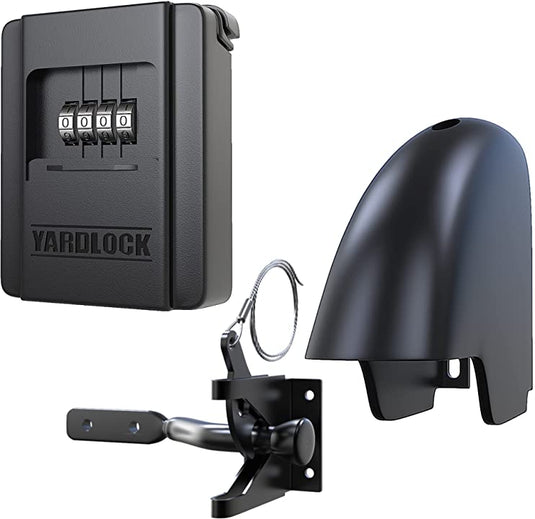
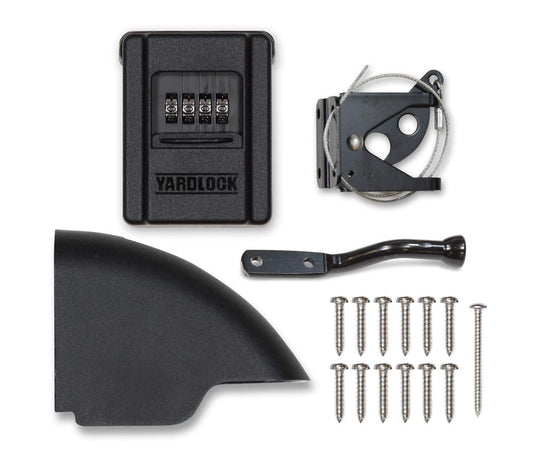
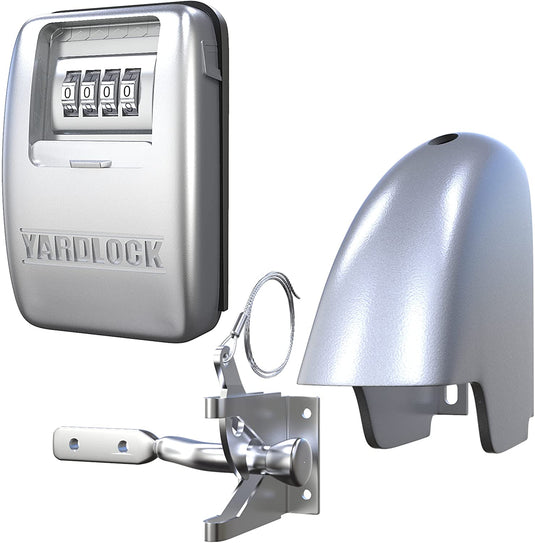
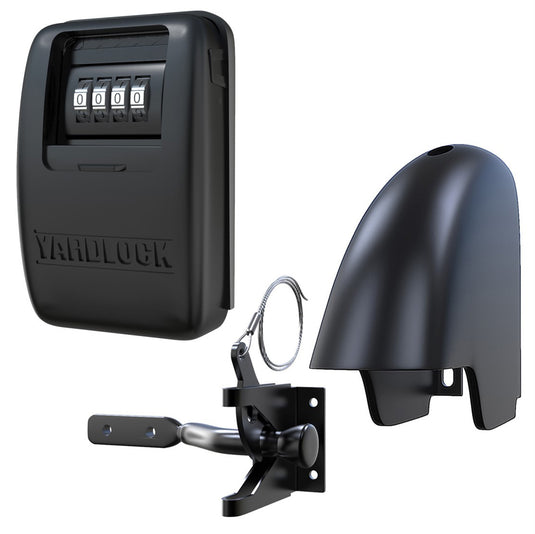
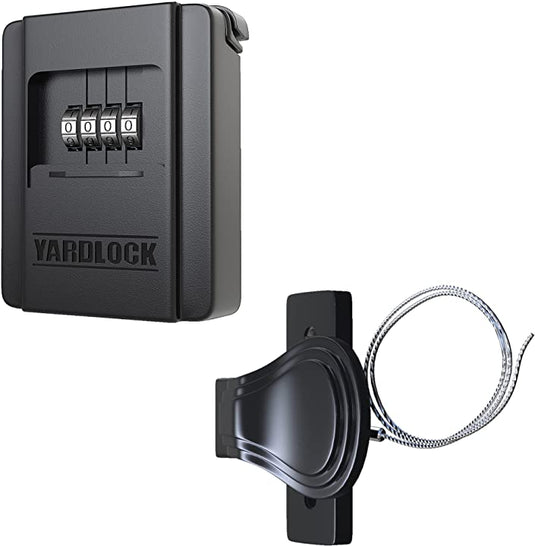
This isn't a smart lock or a Bluetooth device that depends on your phone or Wi-Fi. YARDLOCK'S keyless gate locks are fully mechanical combination locks built specifically for outdoor use. No app. No Wi-Fi. No batteries to die on a Sunday afternoon. Just a durable, weatherproof gate lock that opens with a code you control entirely.
The real difference from a traditional lock is access management. With a keyed lock, access is tied to a physical object that persists until you take action to stop it. With a keyless combination gate lock, access is information — it can be shared instantly, changed instantly, and given to different people at different times without creating any physical security liability.
Thinking about which YARDLOCK model is right for your gate? See our full gate lock buyer's guide to find the best fit for wood, vinyl, and metal gates.
How to Set Up Keyless Gate Access for Your Dog Sitter: Step by Step
Install a YARDLOCK keyless gate lock
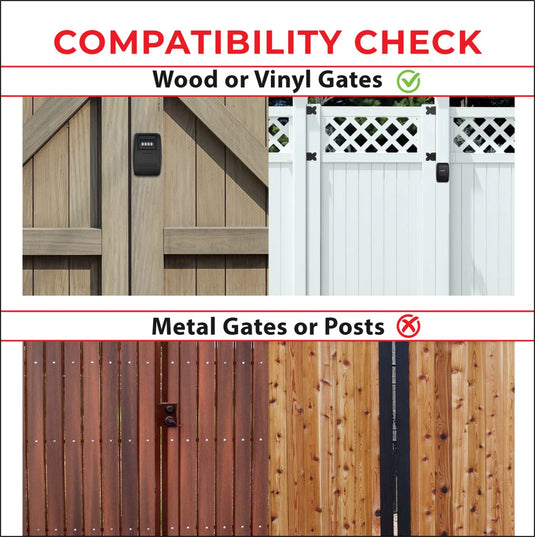
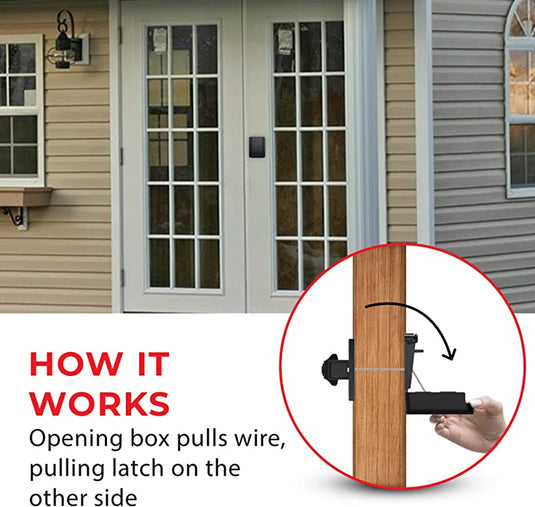
Yardlock mounts to most standard gate frames — wood, vinyl, metal, and chain-link. Installation takes under 30 minutes with basic tools and no special skills. For full instructions, see the YARDLOCK installation guide.
Set your private household code
Choose a 4-digit combination your household will use day-to-day. Keep this one private — it's your permanent family code. Avoid obvious sequences like 1234 or your birth year.
Share the code with your dog sitter before their first visit
Text it, say it over the phone, or include it in your pet care instructions. That's the entire handoff — no meeting up, no key exchange, no waiting around for a convenient time.
Your sitter accesses the yard freely, on schedule
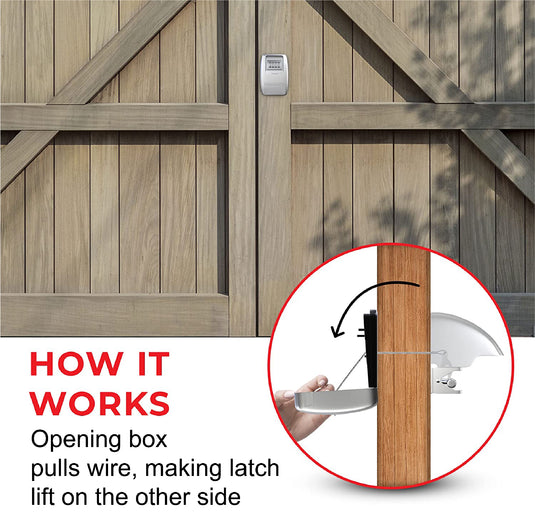
They enter the code, the gate opens, your dog gets walked, the gate closes and self-latches. You don't need to be home, coordinate anything, or think about it at all.
Change the code when the arrangement ends
Takes under a minute. The old code stops working immediately. Their access is gone with no awkward conversation, no key retrieval, and complete certainty. For help with code changes, see the YARDLOCK troubleshooting guide.
"The ability to revoke backyard access instantly — without a locksmith — is the feature most homeowners don't realize they need until they're stuck needing it."
Is a Keyless Gate Lock Actually Secure for This Kind of Shared Access?
The most common concern about keyless gate locks is that codes can be shared — so aren't they less secure than physical keys? It's a fair question, and the answer is worth unpacking properly.

Physical keys have a theoretical security advantage: they're unique objects. But in practice, keys get copied without permission, shared within service teams, lost in places you'll never find, and left accidentally in gate locks or jacket pockets. A code can theoretically be overheard or shared forward — but it can also be changed in under a minute the moment you have any concern. You cannot "change" a copied key.
The YARDLOCK 4-dial combination system offers 10,000 unique code possibilities — making brute-force guessing genuinely impractical on a visible outdoor gate. The lock also has no exposed keyhole, so there's nothing to pick or drill. For a broader perspective on why mechanical keyless locks outperform traditional alternatives, see our post on why keyless locks are the future of home security.
The real security advantage of a combination gate lock is control. You always know exactly who should have access and can remove it immediately. With a keyed lock, access persists until you physically take action — and even then, certainty is never complete.
Choosing a Secure Code for Your Keyless Backyard Gate Lock
A combination gate lock is only as secure as the code you choose. A few guidelines for picking one that's actually effective:
- Avoid obvious sequences — 1234, 0000, 1111, and year-based codes are the first things anyone tries
- Avoid personal information — birthdays, house numbers, and phone number fragments are guessable by anyone who knows you
- Use a number you can remember without writing it near the gate — a sticky note on the gate post defeats the entire purpose
- Change it regularly — refreshing the code seasonally or annually is good practice even without a specific trigger
- Change it every time someone's access ends — this is the single most important habit to build
Every Other Situation Where Keyless Gate Access Makes Life Easier
Once you install a YARDLOCK keyless gate lock, you'll quickly notice how many everyday situations benefit from flexible code-based access. The dog sitter is just the most obvious example.
Landscapers and yard maintenance crews
Give the seasonal crew a code at the start of the contract. When the season ends or you switch providers, change the code in under a minute. No keys floating around in work vans, tool bags, or the pockets of people you've lost track of.
Pool maintenance and cleaning services
Weekly pool service requires regular backyard access. A code is perfect for this use case — easy to share at the start of the season, easy to change if you switch to a different company mid-season or at renewal time.
Contractors and tradespeople working on your property
Electricians, plumbers, fence builders, deck contractors — jobs that require backyard access for multiple days are common. Give a temporary code, change it when the job is done. You don't have to be home and you don't have to coordinate a key exchange.
Children, teenagers, and extended family
Kids who come home to an empty house. Grandparents who help with school pickups. A partner who always misplaces their key. Everyone gets the code and uses the gate without friction — or a lost key emergency. Read more on childproofing your backyard gate.
Rental properties, Airbnb, and short-term rental properties
Guest turnover on short-term rental properties is constant. A new code per guest takes seconds to set and is far more secure than reissuing physical keys or relying on a hidden spare that guests might share in online reviews.
Neighbors helping out while you're away
Someone watering your plants, collecting packages, or checking on the house while you travel. Share the code for the trip, change it when you're back. Simple, clean, no strings attached.
What to Look for When Buying a Keyless Gate Lock for Pet Sitter Access
Not all combination gate locks are built for real outdoor use. If you're shopping for a keyless gate lock to manage pet sitter or dog walker access, here's what to prioritise:
- All-weather construction — your gate lock lives outside year-round. Look for stainless steel or hardened zinc alloy with UV-resistant components
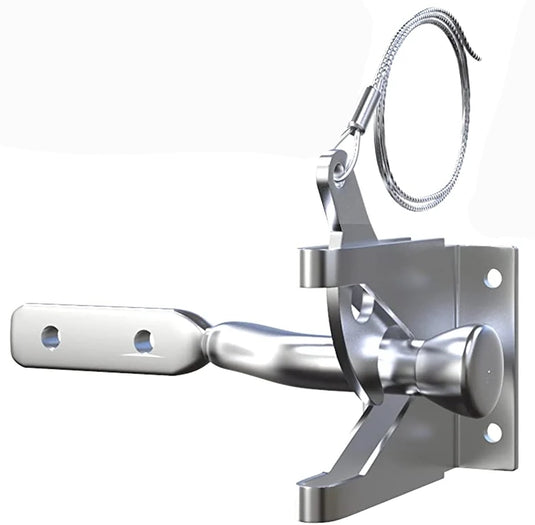
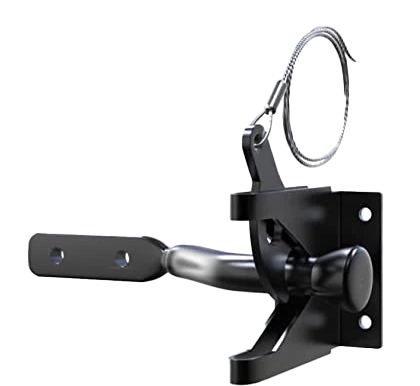
- Self-latching gate mechanism — the gate should lock automatically when it closes, so nobody has to remember to secure it behind them
- Quick, tool-free code reset — changing the combination should take under a minute and require no disassembly
- Gate compatibility — confirm the lock fits your gate material (wood, vinyl, metal, or chain-link) and post dimensions before purchasing
- No batteries required — outdoor environments are hard on electronics; a fully mechanical lock removes this failure point entirely
See the full guide to buying a keyless outdoor lock before you decide. If you need a solution for wood, vinyl, or metal gates specifically, the top gate locks by material type post breaks down the right model for each situation.
YARDLOCK tip: After installation, run through the code-change procedure once so it's familiar. When you actually need to revoke access, it'll take 45 seconds instead of five minutes hunting for the manual. Instructions are also on the YARDLOCK troubleshooting page.
Frequently Asked Questions: Keyless Gate Locks and Dog Sitter Access
Can my dog sitter accidentally lock themselves out of the yard?
As long as they have the code, they can always get back in. Unlike a physical key, a code can't be left inside the gate or forgotten on the kitchen counter. If they forget the digits, you can also let them know instantly — no locksmith needed.
What if I use multiple dog sitters or pet walkers?
Everyone gets the same code. When any arrangement ends, you change the code — which automatically revokes access for everyone who had the old one. You then reshare the new code with whoever still has an active arrangement. Simple, clean, no key management required.
What if the dog sitter shares the code with someone else?
The same risk exists with physical keys - they can be copied or lent without your knowledge. The difference with a keyless lock is that you can change the code the moment you have any concern, and the change takes effect immediately.
Which YARDLOCK model is best for backyard dog sitter access?
The standard YARDLOCK Gate Lock suits most residential backyard gates — wood and vinyl in particular. For heavier gates or demanding outdoor conditions, the Gatelock XLB offers a heavy-duty all-in-one lock and latch system with the same keyless combination access. Browse the full YARDLOCK product range to find the right fit.