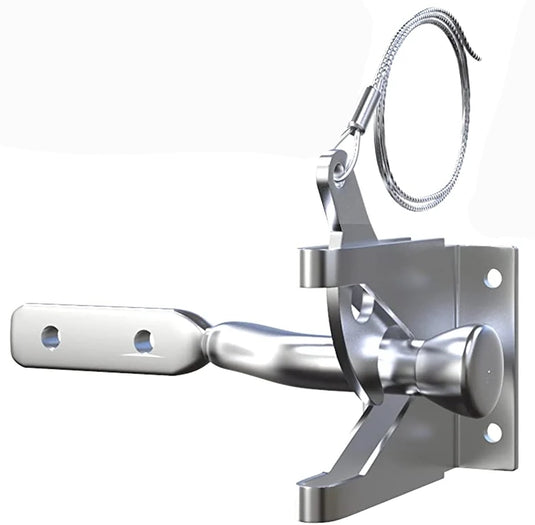
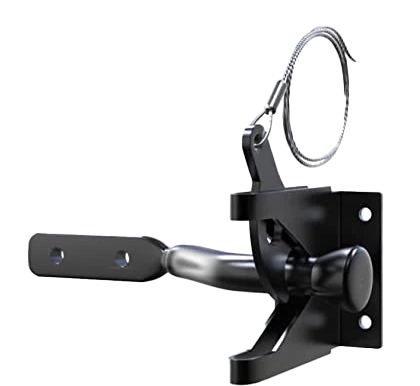
How to Protect Your Backyard and Side Gate From Package Thieves

Package theft is no longer just a porch problem. As more homeowners redirect deliveries to their side gate or backyard to avoid porch pirates, thieves have adapted too — following the path of least resistance wherever packages end up. If your gate is part of your delivery strategy, it needs to be part of your security strategy. Here's how to lock down your side gate and backyard properly.
Package Theft? Why Your Gate Is Now a Target
Keep Deliveries Behind a Locked Gate
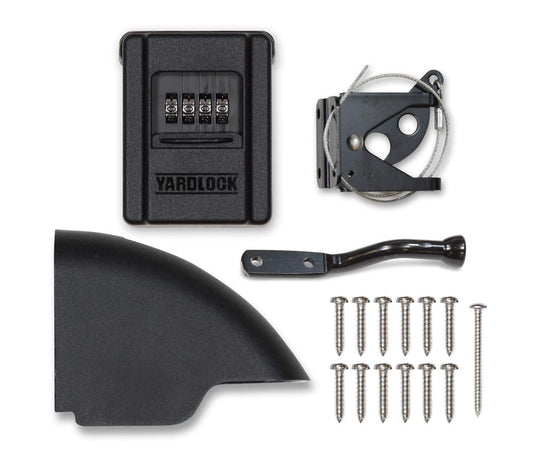
Give authorized delivery drivers keyless access to your side gate, then let the gate secure itself after every delivery. These two Yardlock models are ideal for creating a safer package drop-off area.
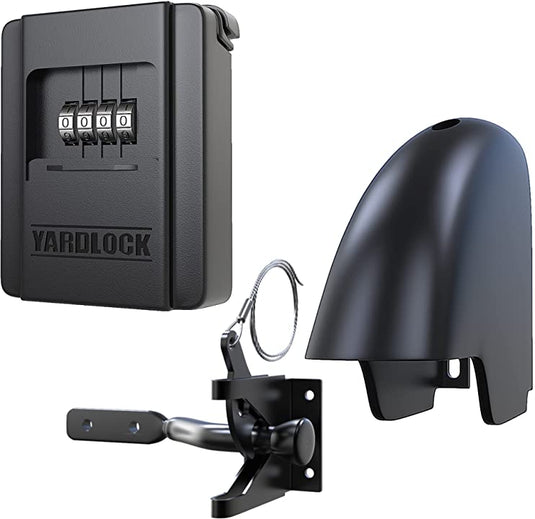
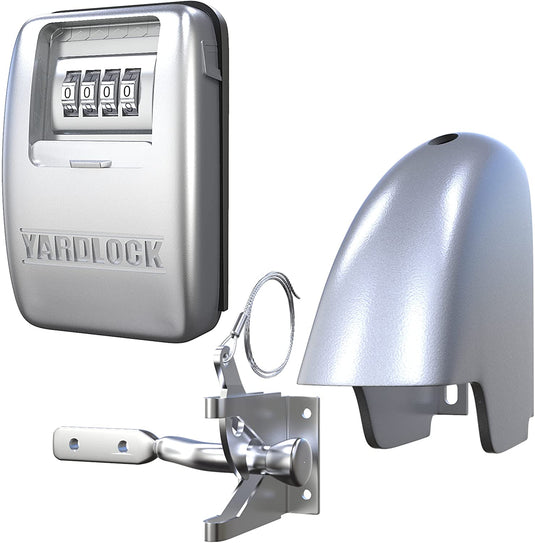
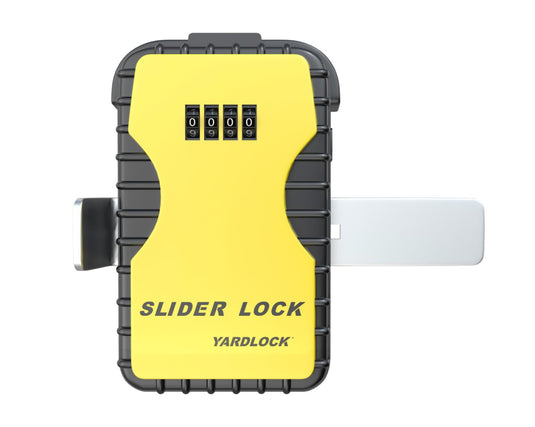
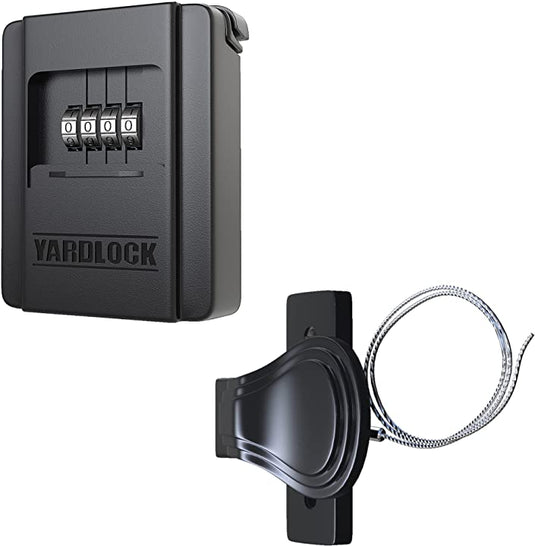
Yardlock Gate Lock
A reliable keyless lock for standard residential side gates. Share the combination through delivery instructions and avoid leaving a spare key outside.
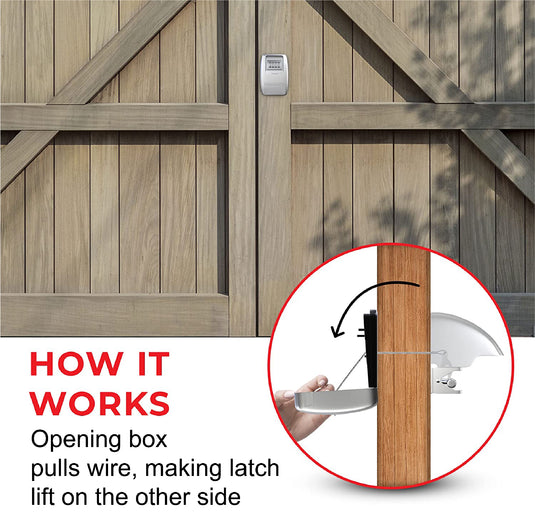
- Self-latching design secures the gate after closing
- 10,000 possible four-digit combinations
- No keys, batteries, charging or Wi-Fi required
- Protective latch cover helps stop reach-over access
- Combination can be changed when delivery access changes
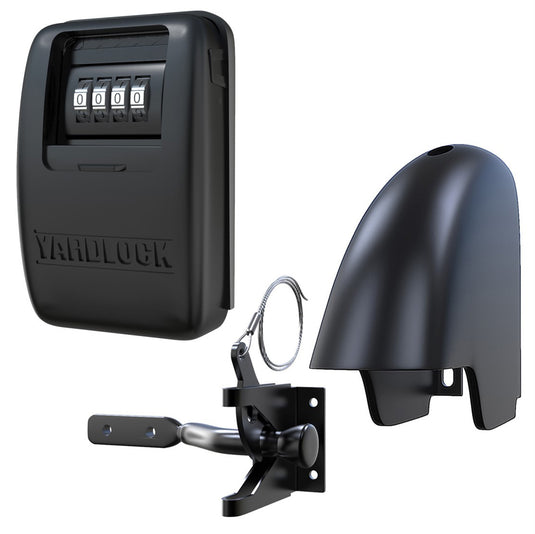
GATELOCK XLB
A larger keyless gate lock for homeowners securing heavier gates, high-traffic side entrances or backyard delivery areas facing public paths.
- Larger body and XL combination dials
- Self-latches automatically after the driver exits
- Protective cover blocks easy access to the latch
- Weather-resistant mechanical operation
- One-handed access from either side of the gate
Package-delivery security tip
Use a delivery-specific gate code rather than your regular household code. Add it to the courier’s delivery instructions and change it periodically, especially after busy shopping seasons.
Porch piracy has driven a predictable response from homeowners: redirect deliveries. Ring doorbells and security cameras on front porches have made opportunistic theft riskier and more visible. So many homeowners now instruct delivery drivers to leave packages at the side gate, through the gate, in the backyard, or at a rear entrance.
The problem is that this strategy only works if the side gate is actually secure. A gate with a simple latch that anyone can reach over and lift defeats the entire purpose. A gate left unlocked because it's "just the side gate" is an open invitation. A gate with a hidden key nearby — a classic problem we cover in detail elsewhere — creates its own security risk.
Package thieves are opportunistic and adapt quickly. They'll follow delivery notes, observe patterns, and identify unprotected access points. A properly secured side gate with a robust keyless combination lock is one of the most effective and low-cost upgrades a homeowner can make to their overall package security strategy.
How Thieves Actually Use Your Gate Against You
Reaching over the gate to lift a simple latch
Most basic gate latches can be opened by reaching over the top of the gate or through a gap. A thief who has observed your delivery pattern knows to look for packages inside the gate and knows exactly how to open it. A lock that can be reached and operated from outside defeats your entire delivery security strategy.
Walking through an unlocked or unlatched gate
Gates that self-close but don't self-latch, or that are left open because someone forgot to close them properly, are an easy target. A thief doesn't need to overcome any security — they just walk through. A self-latching gate lock removes this vulnerability entirely by securing the gate on every close.
Finding a hidden spare key near the gate
A hidden key under a pot, on a ledge, or in a magnetic box near the gate is known to thieves. It provides physical access not just to packages but to your entire backyard and potentially your home. If you're using a hidden key for delivery drivers or neighbours, the gate lock has effectively been bypassed.
Intercepting delivery drivers before they re-latch the gate
A driver who leaves packages inside an unlocked gate and walks off may not have re-latched it properly. A thief following delivery routes can access the yard in the brief window before the homeowner retrieves the packages. A self-latching lock closes this window by securing the gate the moment the driver's hand leaves it.
Operating in concealment provided by overgrown vegetation
Dense vegetation near a gate creates a screen that allows a thief to work unseen. Even a basic lock takes longer to bypass than simply walking through an unlatched gate — and that time spent at the gate is far more visible without a shrub screen. Sight lines matter as much as lock quality for deterrence.
The Secure Delivery Strategy: How to Use Your Gate Without Creating a Security Gap
The goal is to let authorised delivery drivers access the backyard, leave packages safely, and have the gate secure again immediately after they leave — without a hidden key, without them needing to remember to latch the gate, and without any gap in security between delivery and collection.
A Yardlock keyless combination gate lock makes this strategy work cleanly. Here's the setup:
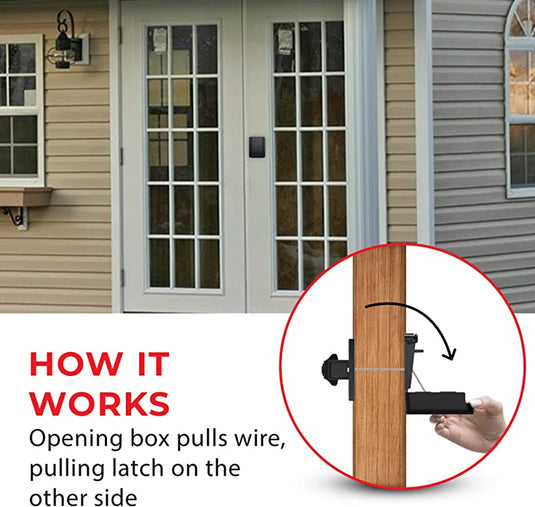
- Install a self-latching combination gate lock on your side gate. The gate locks automatically on every close — the driver doesn't need to do anything to secure it after dropping off a package.
- Set a delivery code. Rather than giving drivers your household's daily code, create a separate delivery instruction. Some homeowners set a simple, easy-to-communicate code specifically for delivery instructions — for example, a code that's included in your delivery notes to the driver.
- Include the gate code in your delivery instructions. Most couriers allow delivery notes to be saved on your account. Add "Gate code: XXXX. Please leave packages inside gate. Gate will self-latch on close." Clear, simple, and driver-friendly.
- Change the delivery code periodically. Since this code may be written in delivery notes that reach multiple drivers, rotate it every few months and update your delivery instructions accordingly.
"A self-latching gate lock with a delivery code costs less than a single stolen package — and it works every time a driver closes the gate."
Six Ways to Harden Your Gate and Backyard Against Package Theft
Install a self-latching keyless gate lock
The single most effective upgrade. Eliminates reach-over access, removes the hidden key problem, and ensures the gate is always secured after every use. A Yardlock combination lock self-latches on every close.
Mount the lock on the inside face of the gate
A lock mounted on the yard-facing side of the gate cannot be reached by someone outside. Even if a thief reaches over the gate, there's nothing to operate. This is the standard mounting configuration for Yardlock and the most tamper-resistant option.
Add a motion-activated light near the gate
Darkness enables opportunistic theft. A motion light triggered by someone approaching the gate provides visible deterrence and illuminates the gate for cameras and neighbours. Low cost, high impact.
Add a security camera covering the gate
A camera pointed at the gate creates a visible deterrent, records entry and exit, and provides evidence if theft occurs. Combined with a gate lock, it creates a two-layer security system at your delivery point.
Trim vegetation near the gate
Remove concealment that allows thieves to operate unobserved. Your gate should be visible from the street and from your main windows. Overgrown hedges are a free screen for opportunistic theft.
Use a secure parcel box inside the gate
A locked parcel box inside a locked gate creates a two-lock system. Even if a driver leaves the inner gate accessible, the parcel box requires a second code to open. Particularly useful for high-value or frequent deliveries.
How to Give Delivery Drivers Gate Access Without Compromising Security
The most secure delivery setup depends on which courier services you use and how consistent your delivery patterns are. Here are the main approaches in order of security:
Option 1: Delivery-specific code in standing delivery notes
Add a gate code to your standing delivery instructions with each courier (Amazon, Canada Post, UPS, FedEx, etc.). Use a different code from your household daily code — one you're comfortable having in driver systems. Change it a few times per year. This works well for households with frequent deliveries from consistent couriers.
Option 2: Single-delivery code for high-value deliveries
For a specific high-value delivery, add a one-off delivery note with the gate code. Change the code after the delivery is collected. This provides maximum security for valuable packages at the cost of slightly more management effort.
Option 3: Neighbour collection arrangement
A trusted neighbour with the gate code can collect packages and store them until you're home. This requires no change to your delivery instructions — packages are left at the front door as usual, and the neighbour retrieves them through the gate. It's the simplest access approach and works independently of courier cooperation.
For high-value deliveries: Instruct the courier to require a signature or use a specific PIN confirmation rather than leaving packages inside a gate. A gate lock secures packages already delivered — it can't protect against a driver who doesn't follow delivery instructions in the first place.
Side Gate Security for Townhouses and Terraced Properties
For townhouses, terraced homes, and semi-detached properties where the side gate is the primary access to the rear of the property, the gate is a more significant security point than for detached homes. The side gate may be the only thing standing between a public footpath and the rear of the house.
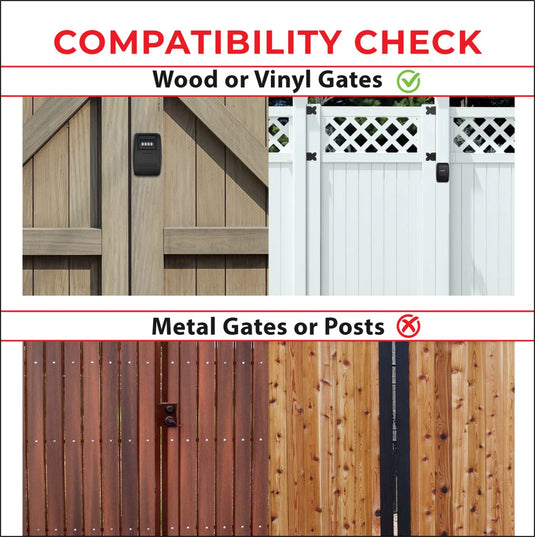
In these situations, a higher-security approach to gate hardware is justified. The Gatelock XLB heavy-duty model provides additional latch strength for gates that see frequent use or that are the primary security perimeter at the rear of the property. For side gates on metal frames or in urban environments with higher footfall near the gate, the stainless steel XLS model provides additional tamper resistance and corrosion resistance in high-use, high-exposure environments.
For townhouse and terraced properties, also consider the height of the gate itself. A gate that can be climbed easily — particularly with footholds on horizontal rails or nearby structures — creates a bypass route regardless of lock quality. The gate height and construction matter as much as the lock for side-access security.
What to Do If Your Gate Has Already Been Used to Steal Packages
If you've already experienced package theft through your gate, here's the immediate action plan:
- Change your gate code immediately if you're using a combination lock. If you're using a keyed lock, the key has been identified as a vulnerability — now is the time to switch to a combination lock so you have control over access going forward.
- Remove any hidden key near the gate and don't replace it. See our guide on secure key storage alternatives to hiding a key if you need a backup access solution.
- Install a motion light and camera if you haven't already. Subsequent theft attempts are significantly deterred by visible cameras and lighting.
- Update your delivery instructions with all couriers to include your new gate code and specify where packages should be left.
- Trim vegetation near the gate to eliminate concealment for future attempts.
Many homeowners secure their front door with smart locks, cameras, and alarms — then leave the side gate with a basic lever latch that anyone can open by reaching over. If packages are being redirected to your backyard, your backyard gate needs the same security attention as your front door.
Frequently Asked Questions: Gate Security and Package Theft
Can a delivery driver open a combination gate lock to drop off packages?
Yes, if you include the code in your delivery instructions. Add the gate code to standing delivery notes with your couriers and include a note to close the gate after delivery. The Yardlock self-latching mechanism ensures the gate re-secures automatically when the driver closes it, so nothing depends on the driver remembering to latch it manually.
Is it safe to put my gate code in Amazon or Canada Post delivery notes?
This is a reasonable concern. Use a delivery-specific code that's different from your household daily code, and rotate it a few times per year. Treat it similarly to how you'd treat a front door access code — it's given to drivers professionally but changed regularly. A delivery code in courier notes is significantly more secure than a visible hidden key near the gate.
My gate faces a public footpath — what level of security do I need?
A gate that faces a public footpath with regular foot traffic is at higher risk of opportunistic testing. Use a robust combination lock mounted on the yard-facing side so it can't be reached from outside, ensure the gate is high enough that it can't be easily vaulted, and add a motion-activated light and ideally a camera. The combination of these elements — a secure lock, visibility, and deterrent lighting — creates a security profile that significantly exceeds what most opportunistic thieves will attempt.
Should I use the same gate code for deliveries and family access?
Ideally, use two separate mental categories: a daily household code that family and trusted individuals know, and a delivery code included in your courier instructions that you change periodically. In practice, many homeowners use one code for both — this is acceptable for most residential situations, but changing it periodically is more important when it's shared in courier systems. For more on managing access codes, see our guide on managing gate access without keys.
What's the best side gate lock to prevent porch piracy?
The most effective setup is a self-latching combination gate lock — one that secures automatically on every close, can't be operated from outside, and doesn't require a physical key. The Yardlock standard gate lock satisfies all three requirements for most residential side gates. For heavier gates or higher-security requirements, the Gatelock XLB provides additional strength. Browse the full Yardlock range for all options.