Top 3 Gate Locks for Wood and Vinyl Backyard Gates
This guide explores how to choose the right Yardlock keyless gate lock for wood and vinyl gates, helping homeowners and contractors achieve reliable security, clean looks, and long-term performance.
Why Material Choice Matters for Gate Locks
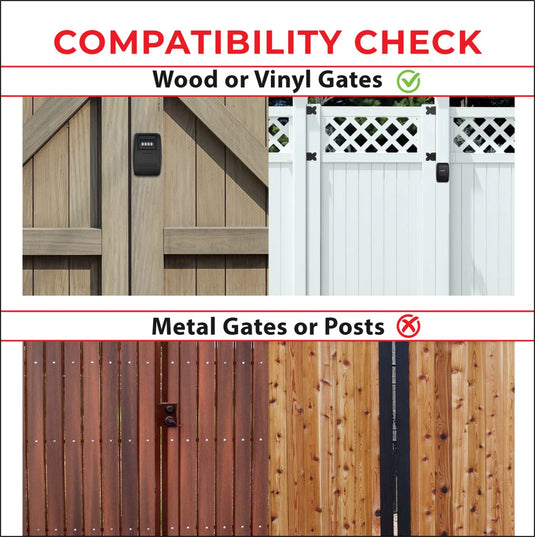
Wood and vinyl react differently to the outdoors:
-
Wood expands and contracts with humidity and temperature changes.
-
Vinyl can flex slightly and may soften or shift under direct sunlight.
Choosing a lock that matches your gate material helps reduce alignment issues and improves day-to-day reliability. Yardlock offers mechanical, keyless gate locks designed for common residential wood and vinyl gate setups.
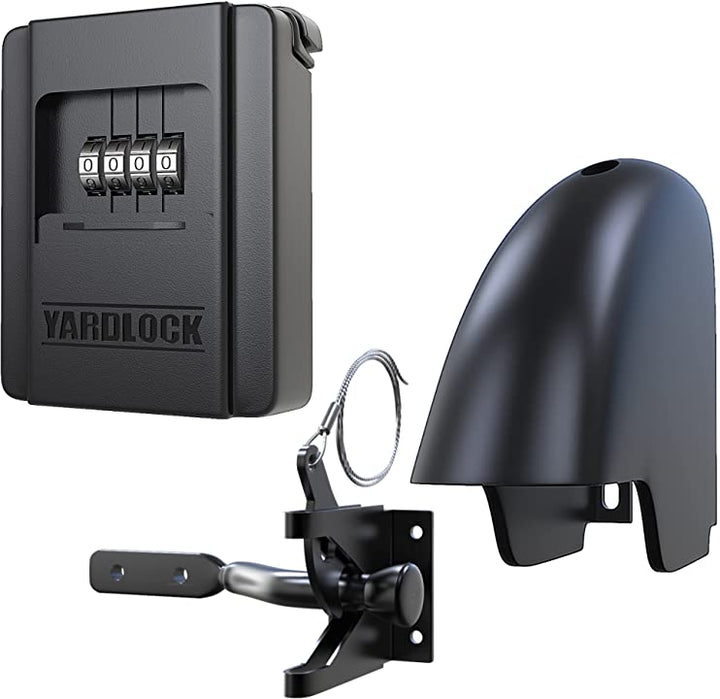
1. Wood Gates — Classic Look, High Movement
Wooden gates remain popular for their natural look and affordability, but they can shift over time with moisture and temperature. If a gate swells or dries out seasonally, some latches may start to bind or misalign.
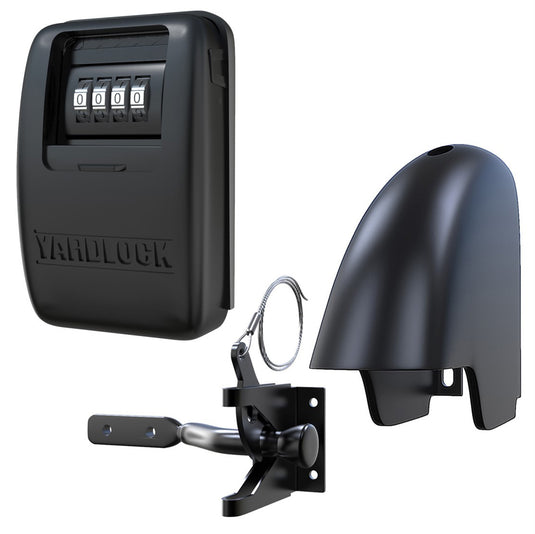
Recommended Lock: Yardlock Gate Lock
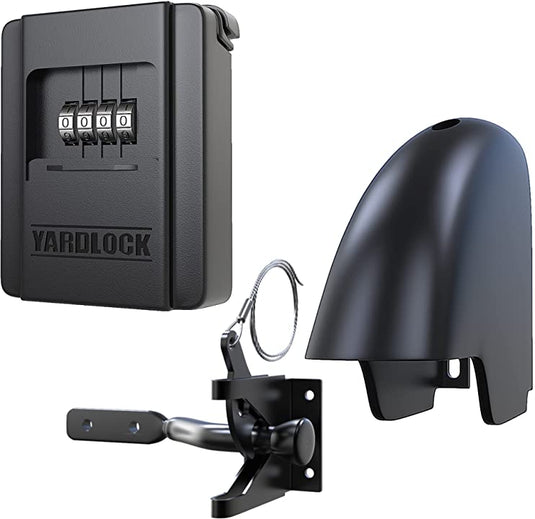
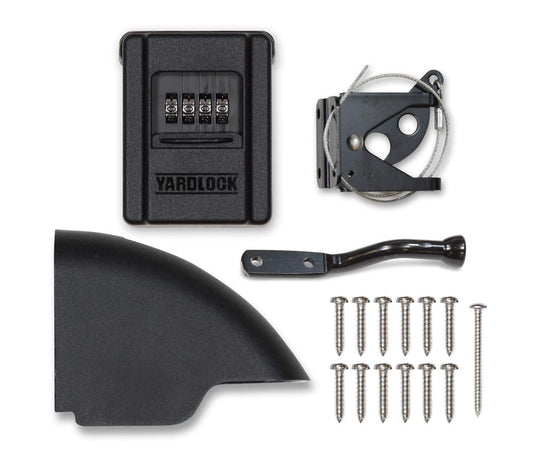
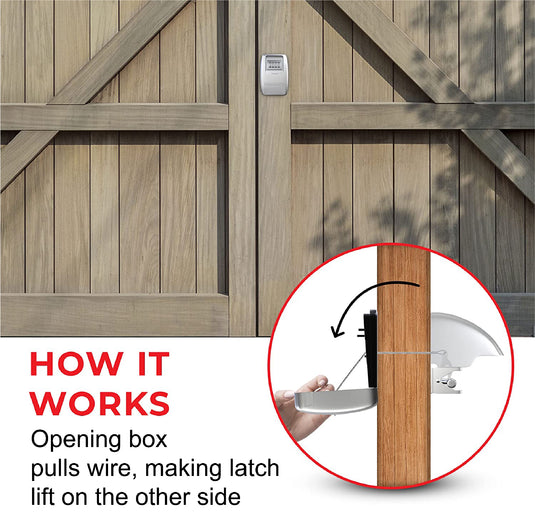
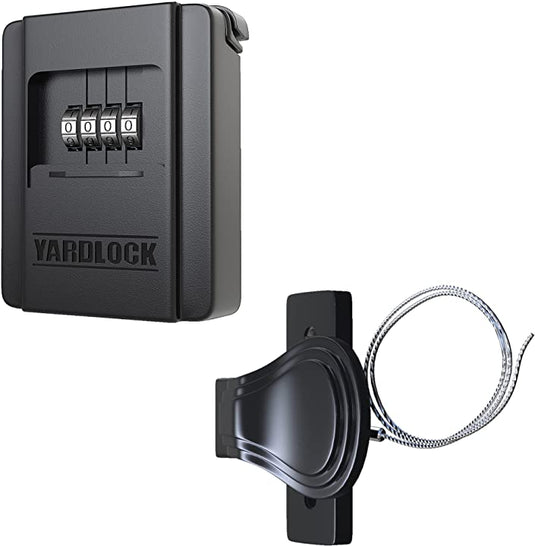
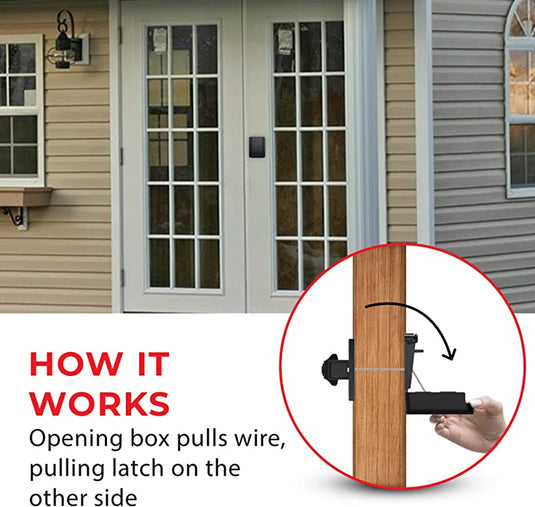
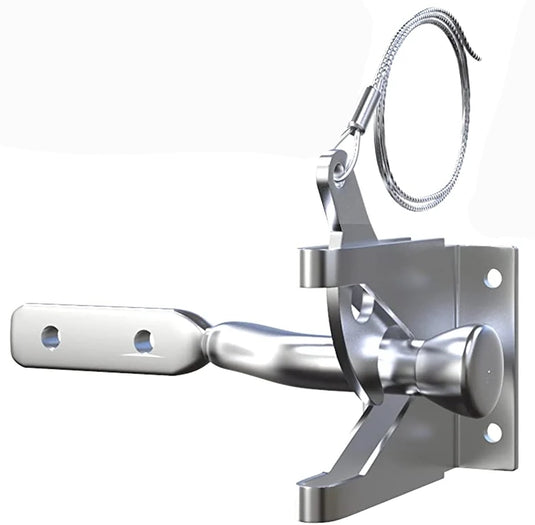
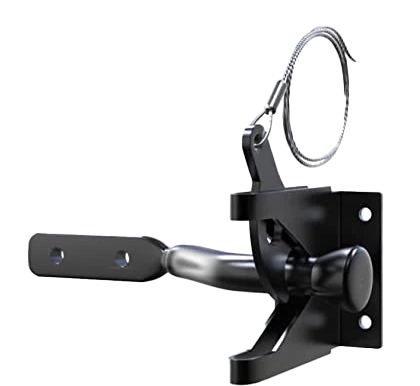
The Yardlock Gate Lock is well-suited for many wooden gate setups. Its mechanical 4-dial combination provides keyless access, and the self-latching design helps keep the gate secured after closing.
Yardlock’s blog Best Gate Locks for Wooden Gates explains how installation alignment and routine maintenance can help reduce wear over time—especially for wood exposed to rain or snow.
Pro Installation Tip
Leave a little tolerance for seasonal movement. After mounting, open and close the gate several times to confirm the latch catches smoothly without scraping the frame. If the gate is prone to sagging, address hinge alignment before final tightening.
Why It Works
-
Self-latching design helps the gate secure after closing.
-
Mechanical keyless access—no keys to lose and no batteries required.
-
Designed for outdoor use with a protective housing.
2. Vinyl Gates — Clean Aesthetic, Subtle Flex
Vinyl gates are low-maintenance and common in modern neighborhoods. Because vinyl can flex slightly and posts may be hollow, careful alignment and proper reinforcement (when needed) are important for long-term stability.
Recommended Lock: Yardlock Gate Lock (Standard Model)
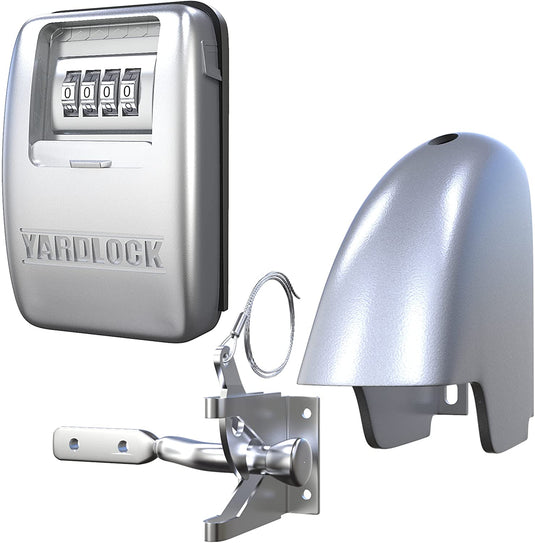
Many vinyl gate installations pair well with the Yardlock Gate Lock (Standard Model). When installing on vinyl posts, avoid over-tightening and consider using internal backing blocks or reinforcement plates if the post is hollow.
Yardlock’s article What to Know Before Buying a Keyless Outdoor Lock covers planning factors like mounting surfaces, alignment, and exposure to weather.
Installation Advice
-
Pre-drill slowly to reduce the chance of cracking.
-
Mount the strike plate firmly, but avoid over-tightening screws.
-
If your post is hollow, reinforce internally to improve screw hold.
Adding a solar light near the lock can improve nighttime visibility and make the lock easier to use after dark.
Why It Works
-
Keyless mechanical access keeps daily entry simple.
-
Self-latching mechanism helps keep the gate secured after closing.
-
Designed for exterior use in typical residential conditions.
Optional Upgrade for Harsh Climates: Yardlock Gate Lock XLS
If your gate is exposed to coastal air, frequent rain, or long winters, the Yardlock Gate Lock XLS offers stainless steel components for improved corrosion resistance. The XLS is intended for compatible gate configurations and can be a good choice when weather exposure is a priority.
Comparing Options at a Glance
|
Feature |
Wood Gate |
Vinyl Gate |
|
Recommended model |
Gate Lock (Standard) |
Gate Lock (Standard) |
|
Harsh-climate option |
Gate Lock XLS |
Gate Lock XLS |
|
Weather exposure |
Designed for outdoor use |
Designed for outdoor use |
|
Mounting considerations |
Account for seasonal movement |
Avoid over-tightening; reinforce hollow posts if needed |
|
Routine maintenance |
Seasonal cleaning + lubrication |
Seasonal cleaning + lubrication |
Installation and Maintenance Checklist
Before Installation:
-
Confirm the lock model matches your gate material and post dimensions.
-
Inspect hinge condition and overall gate alignment.
-
Clean the mounting surface of dirt, dust, or salt residue.
During Installation:
-
Use manufacturer templates for accurate hole placement.
-
Avoid over-tightening screws on wood or vinyl.
-
Confirm self-latching engages smoothly when the gate closes.
After Installation:
-
Clean and lubricate the mechanism seasonally (silicone or graphite-based lubricant).
-
Test operation after major temperature swings or storms.
-
Keep fasteners tight and address sagging early to prevent misalignment.
Common Mistakes to Avoid
-
Using an indoor lock outdoors. Indoor hardware may not hold up to rain or UV exposure.
-
Mounting too low. Install at a practical height that discourages small children from reaching the latch and remains comfortable for adults to operate.
-
Skipping seasonal care. Small alignment shifts and debris buildup can affect smooth operation over time.
Yardlock’s resource How to Install a Keyless Entry System: 5 Steps + Guide shows how to avoid common installation errors and improve long-term reliability.
Enhancing Gate Performance with Lighting
Pairing your gate lock with solar lighting can improve visibility and make the lock easier to use after dark—especially on side gates and backyard entrances.
Common Problems & Troubleshooting
-
Gate sagging or misalignment → tighten hinges or add reinforcement brackets.
-
Latch doesn’t engage / lock sticks → check alignment, clean debris, lubricate, and re-check mounting position.
-
Vinyl post cracking or splitting → avoid over-tightening screws, ensure pilot holes are correct size, and reinforce hollow posts if needed.
Conclusion
Whether your gate is wood or vinyl, choosing a compatible lock and installing it with proper alignment makes a big difference in long-term performance. Yardlock’s mechanical keyless gate locks provide simple, battery-free access designed for outdoor use.
-
For wood: choose the standard model and account for seasonal movement.
-
For vinyl: use careful alignment and reinforcement if the post is hollow.
-
For harsh climates: consider the XLS upgrade for improved corrosion resistance on compatible installations.
Explore the Yardlock collection to find the right model for your gate setup.
Frequently Asked Questions
Q: Which Yardlock model works best for wood gates?
A: The standard Yardlock Gate Lock is commonly used on wood gates due to its mechanical combination access and self-latching design.
Q: Which Yardlock model works best for vinyl gates?
A: Many vinyl gate setups work well with the standard Yardlock Gate Lock. For hollow posts, reinforcement can improve mounting stability.
Q: Do Yardlock locks need power or batteries?
A: No. Yardlock locks are mechanical and function without electricity or batteries.
Q: What maintenance does a keyless mechanical gate lock need?
A: Seasonal cleaning and occasional lubrication (silicone or graphite-based) can help keep the mechanism operating smoothly.
Q: Is the XLS model worth it?
A: If your gate is exposed to coastal air, frequent rain, or long winters, the XLS model can be a good upgrade due to its stainless steel components and improved corrosion resistance—on compatible installations.