10 Powerful Winter Tips for Reliable Outdoor Locks

Winter is unforgiving on outdoor hardware. Freezing temperatures, snow, moisture, and salt can warp metal, seize latches, and destroy traditional locks long before spring arrives. If you rely on gate locks, shed locks, or outdoor storage access, preparing them for a harsh winter is essential for safety and convenience.
Fortunately, the right maintenance strategy—paired with Yardlock’s weather-resistant keyless gate locks—can help your outdoor locks withstand even the toughest winter conditions. This guide shows you how to protect your locks from freezing, rusting, and winter wear, ensuring smooth, reliable performance all season long.
Why Winter Is So Hard on Outdoor Locks
Metal reacts dramatically to cold. As temperatures drop, metal contracts, lubricants thicken, and moisture inside lock components freezes into ice crystals that stop movement entirely. Traditional keyed locks are especially vulnerable because:
-
Keyholes collect moisture and freeze
-
Internal pin tumblers jam
-
Salt accelerates rust
-
Keys snap in frozen cylinders
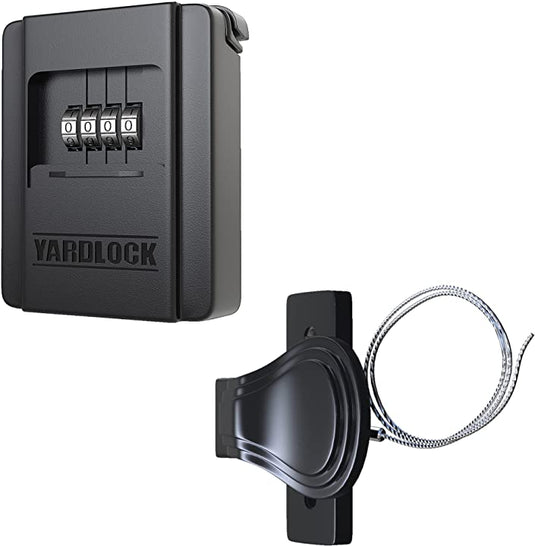
Yardlock’s mechanical, keyless combination locks, however, are built to eliminate these weak points. Because they use no keyholes, batteries, or electronics, they remain reliable through snow, rain, and freezing wind—making them ideal for winter climates.
Yardlock discusses winter challenges and How to Maintain Your Gate Hardware Through December & January, emphasizing seasonal checks and frost prevention.
1. Switch to Weatherproof, Keyless Outdoor Locks
If you’re currently using a traditional padlock or keyed system outdoors, winter is the perfect time to upgrade.
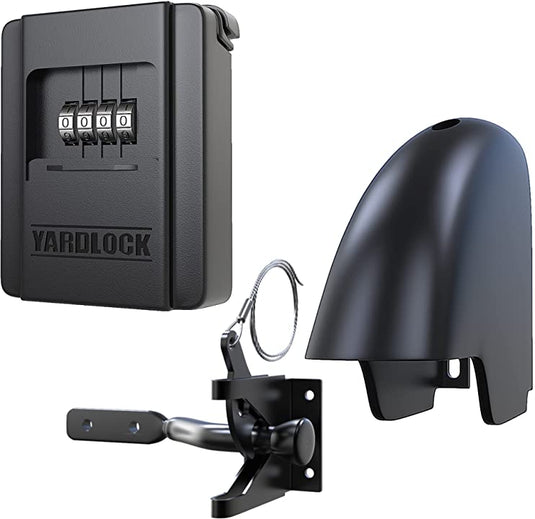
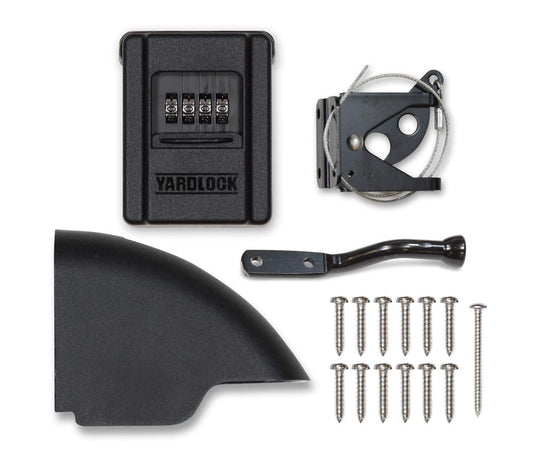
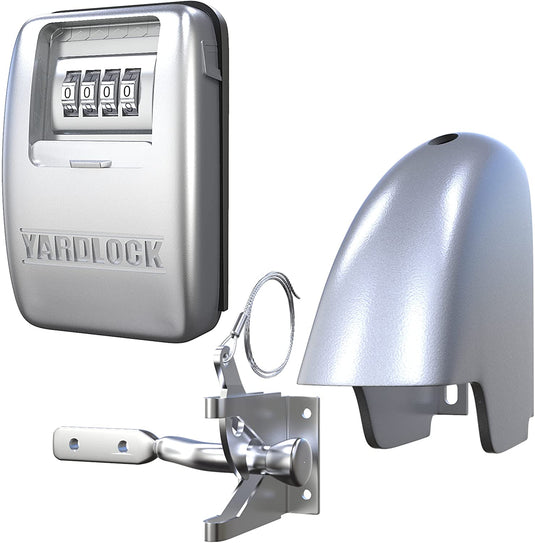
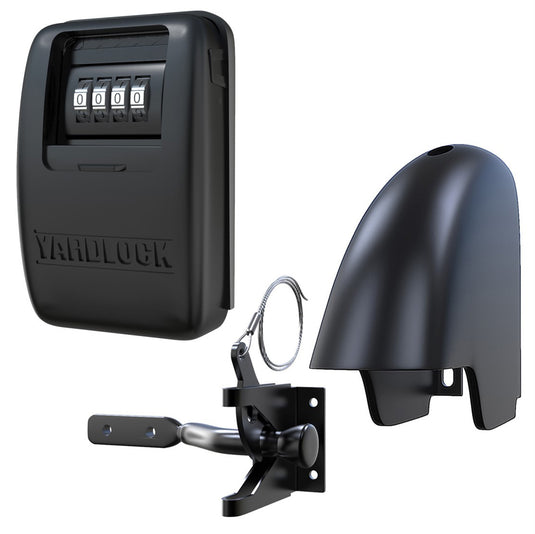
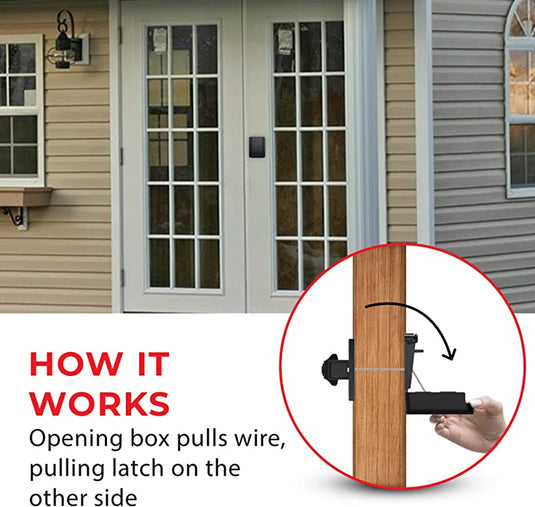
The Yardlock Gate Lock and Yardlock Gate Lock XLS are designed specifically for harsh outdoor conditions:
-
No keyholes that can freeze
-
No batteries that die in the cold
-
No electronics vulnerable to moisture
-
Weather-sealed housing protects mechanical components
The XLS version offers stainless-steel construction, making it the strongest option for regions with snow, ice, and de-icing salts.
This aligns with Yardlock’s advice in What to Know Before Buying a Keyless Outdoor Lock, which explains how weatherproof materials and mechanical reliability outperform electronics in extreme temperatures.
2. Clean the Lock Before Temperatures Drop
Before the first deep freeze, clean your lock with a dry microfiber cloth to remove dust, leaves, or moisture. Avoid using water or liquid cleaners—they can seep inside and freeze later.
To clean hard-to-reach areas around the latch or dials:
-
Use compressed air to blow away debris
-
Wipe the lock body thoroughly
-
Remove any early signs of rust
This step ensures that no moisture or dirt becomes a problem once freezing temperatures hit.
3. Use the Correct Lubricant (Never Oil)
Not all lubricants are made for winter. Oil-based sprays thicken or harden in freezing temperatures and attract dirt. Instead, winterize your lock with:
✔ Silicone Spray
Repels moisture and resists freezing.
✔ Graphite Powder
Excellent for moving metal parts in dry cold.
Apply lubricant to:
-
Gate latch
-
Strike plate
-
Hinges
-
Combination mechanism (lightly)
Yardlock’s blog Ultimate Backyard Gate Maintenance Schedule (Season-by-Season) recommends silicone as the preferred year-round option for the best cold-weather performance.
4. Tighten Screws and Check Alignment
Winter storms, shifting soil, and temperature swings can slightly alter gate alignment. Even a small shift can prevent the lock from engaging fully.
Before winter sets in:
-
Tighten all screws around the latch and hinges
-
Check if the gate sags or leans
-
Test the latch for smooth closure
-
Verify the strike plate aligns perfectly
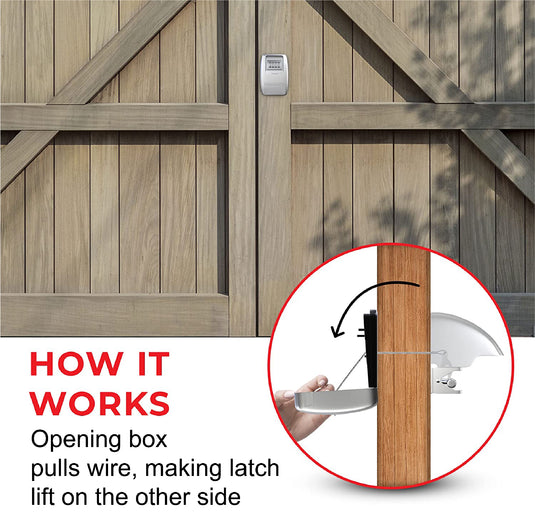
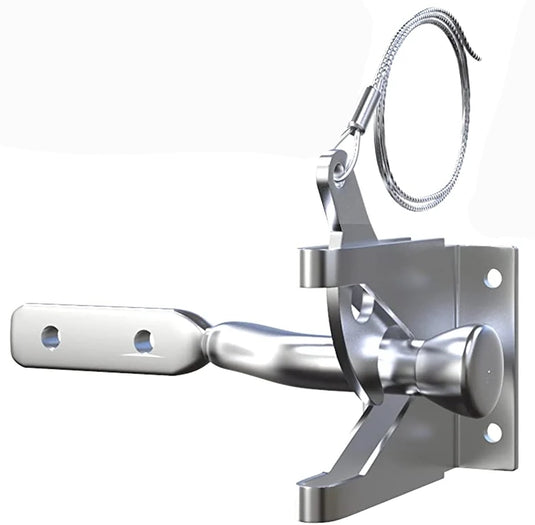
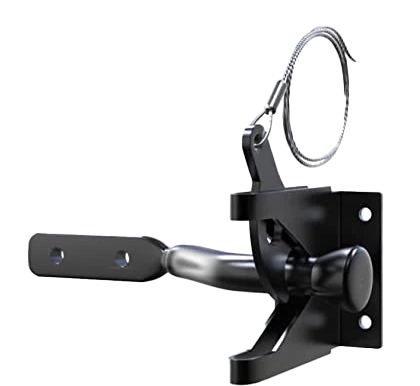
The Yardlock Gate Lock is designed to self-latch, but proper alignment ensures maximum safety—especially for homes with kids or pets.
5. Protect Against Rust and Salt
In snowy regions, salt is your lock’s worst enemy. Road salt, wind-carried salt spray, and de-icing products cause corrosion that weakens metal and reduces lock performance.
Tips to prevent winter corrosion:
-
Choose stainless-steel models like the Yardlock Gate Lock XLS
-
Rinse salt away gently using warm water (then dry immediately)
-
Avoid letting salt accumulate on the bottom hinge or strike plate
-
Apply a thin silicone layer to repel moisture
Salt protection is especially important for properties near roads, pools, or coastal regions.
6. Add Weather Shields or Coverings
A simple overhang, awning, or small plastic lock shield can dramatically improve winter performance. Shields protect locks from:
-
Snow buildup
-
Freezing rain
-
Icy winds
-
Melting and refreezing cycles
They also keep combination dials more comfortable for hands during freezing temperatures.
7. Keep Snow and Ice Clear Around the Gate
Even if your lock is weatherproof, ice buildup around your gate can prevent it from closing properly. That means your lock may not latch—even if the mechanism itself works fine.
Winter gate care includes:
-
Clearing snow from the base
-
Removing ice from hinges
-
Avoiding shovels that might damage the lock or frame
-
Using sand instead of salt where possible
8. Test Regularly During Temperature Swings
Freezing and thawing cycles can affect lock mechanisms. Test your gate lock weekly during winter to confirm:
-
Dials turn smoothly
-
Latch catches securely
-
Hinges operate without stiffness
If the lock feels tight, gently warm it with your hand or wait until sunlight softens the metal. Avoid forcing the lock—doing so can damage internal components in any system.
9. Reset Your Code for Winter Use
Cold weather can make your hands stiff, gloves clumsy, and visibility lower. Choose a winter-friendly combination that:
-
Is easy for you to turn
-
You can dial with gloves
-
You can remember even under stress
Yardlock’s mechanical combination system allows you to update your code anytime without tools—ideal for seasonal resets or holiday travel.
10. Consider Seasonal Upgrades
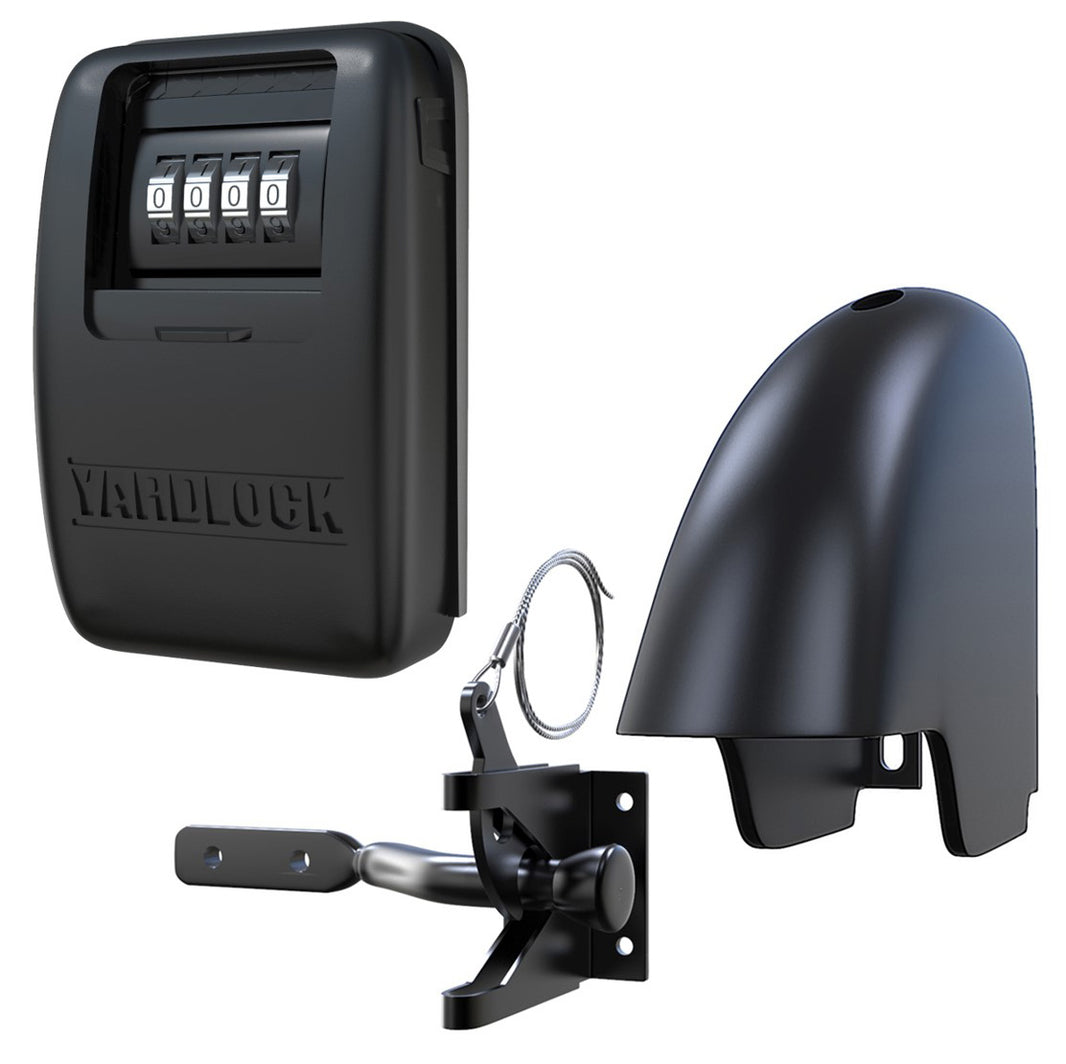
If your region faces extreme winters—like the northern U.S. or Canada—consider upgrading to the most winter-resilient Yardlock models:
-
Yardlock Gate Lock XLS → best for snow, salt, and freezing climates

-
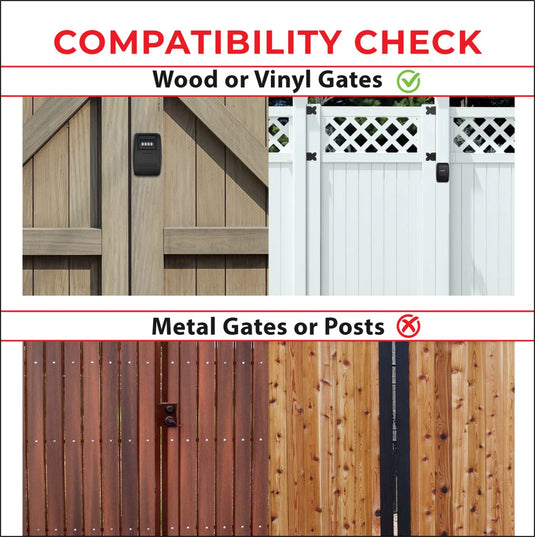
Yardlock Gate Lock XLB → best for versatility across wood, vinyl, and metal gates
-
Yardlock Gate Lock Standard Model → ideal for basic winter protection
When combined with proper winter care, these locks maintain smooth performance even after months of freezing exposure.
Conclusion
Winter doesn’t have to be hard on your locks. With the right preparation—cleaning, lubrication, tightening, snow management, and choosing the right weatherproof lock—you can protect your outdoor hardware through months of freezing temperatures.
Yardlock’s keyless, mechanical, weather-sealed gate locks are built for exactly these conditions. Whether you face deep snow, coastal storms, or icy winds, your gate and shed locks can remain reliable and secure all winter long.
With smart maintenance and Yardlock’s durable designs, your outdoor hardware will stay smooth, safe, and dependable long after the frost melts.
Frequently Asked Questions
Q: 1. Do Yardlock gate locks freeze in winter?
A: No. Yardlock locks use sealed mechanical components designed to resist freezing, even in sub-zero temperatures.
Q: 2. What lubricant should I use for winter lock maintenance?
Use silicone or graphite lubricants—never oil-based sprays. Silicone works best in freezing conditions.
Q: 3. Will salt damage my outdoor lock?
A: Salt can corrode metal over time. Stainless-steel models like the Yardlock Gate Lock XLS resist corrosion and are ideal for winter climates.
Q: 4. Do Yardlock locks need electricity or batteries?
A: No. They are fully mechanical and work independently of power sources, making them ideal for winter outages.
Q: 5. How often should I test my outdoor lock during winter?
A: Check at least once a week during freezing periods to ensure smooth operation and proper latching.