4-Material Guide to Choosing the Perfect Gate Lock

Not all gates behave the same. Wood swells, vinyl flexes, metal expands, and composite materials do a bit of everything. Because gate materials respond differently to weather, weight, and movement, choosing the right outdoor lock is key to long-lasting performance.
A lock that works perfectly on a wood gate may misalign on vinyl. A metal gate may corrode hardware that lasts years on composite. That’s why selecting the right Yardlock keyless gate lock based on your material matters just as much as picking the right gate itself.
This guide breaks down each material—wood, vinyl, metal, and composite—and explains exactly which Yardlock model works best, why, and how to install it for maximum durability.
Why Gate Material Determines Lock Performance
Your gate material impacts:
-
How much the gate expands or contracts
-
How well screws hold fast
-
Whether corrosion occurs
-
How precise latch alignment stays
-
What type of mounting hardware you need
A properly matched lock prevents sagging, misalignment, rust, and early malfunction. Yardlock’s product range is built to accommodate these differences with adjustable mounts, stainless-steel bodies, and floating strike plates.
1. Wood Gates — Natural Beauty, High Movement
Wood is the most traditional gate material, but it’s also the most unstable. It absorbs moisture, expands when wet, contracts when dry, and shifts slightly with temperature. This constant movement can affect latch alignment.
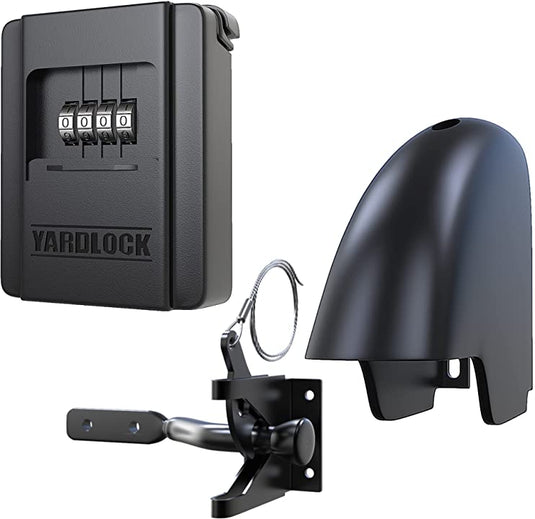
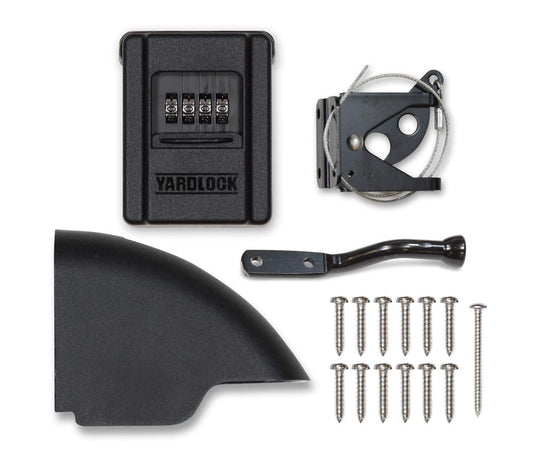
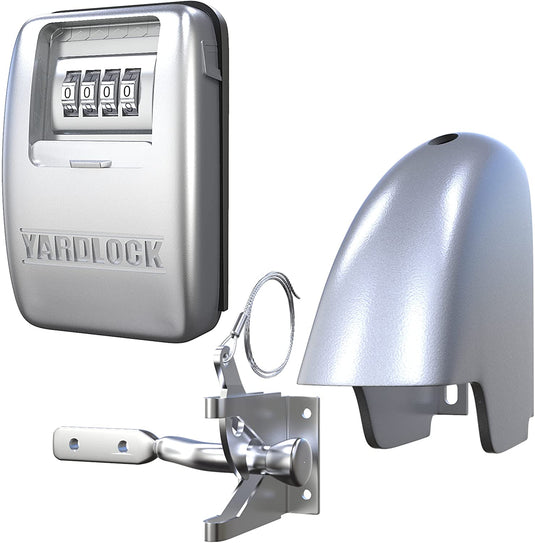
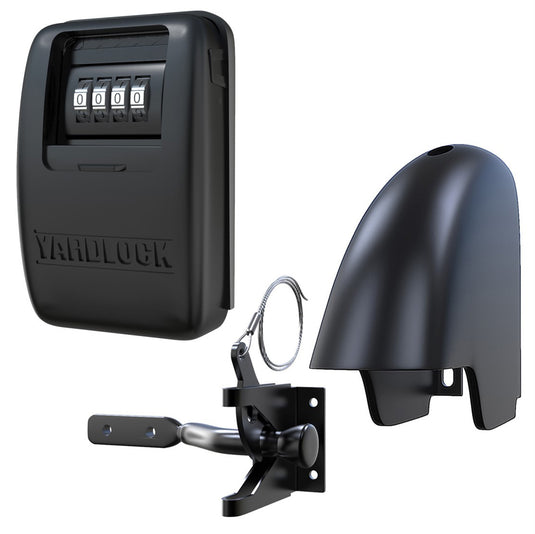
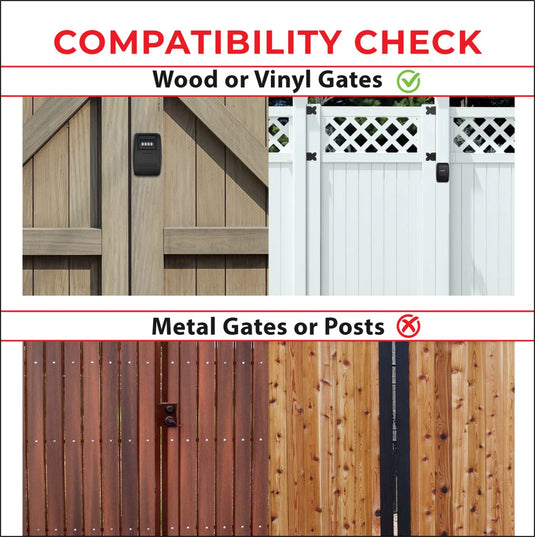
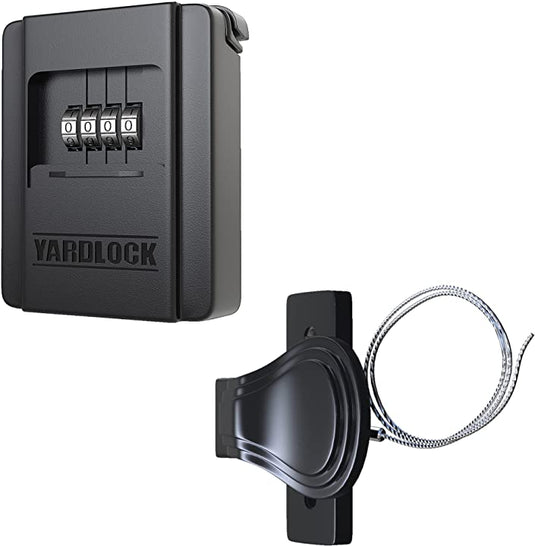
Best Lock for Wood Gates: Yardlock Gate Lock (Standard Model)
The standard Yardlock Gate Lock performs exceptionally well on wood because:
-
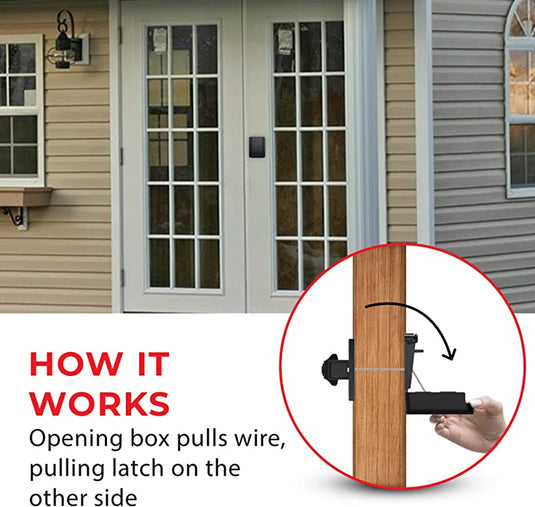
It uses an adjustable mounting plate to maintain alignment
-
Its mechanical, keyless system avoids swelling-related key jams
-
Zinc die-cast materials resist rain, snow, and humidity
-
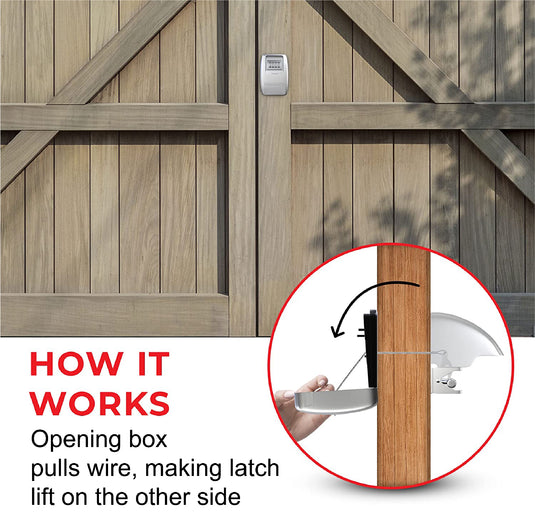
Its self-latching design compensates for slight shifts
When installed correctly, the latch continues catching smoothly even when the gate expands after rain or shrinks during dry spells.
Installation Tip
For wood, avoid over-tightening screws. Leave slight flexibility so the latch can adjust with gate movement.
Why It Works
-
Handles seasonal expansion
-
Weather-sealed housing
-
Easy to mount on wooden posts
-
Zero battery maintenance
Wood gates often need seasonal tune-ups. Yardlock’s Ultimate Backyard Gate Maintenance Schedule (Season-by-Season) explains how to maintain wood hardware year-round.
2. Vinyl Gates — Lightweight, Flexible, Low Maintenance
Vinyl gates are popular for their clean look and minimal upkeep—but vinyl flexes under pressure and may warp slightly in hot sunlight. This means the lock must remain stable even when the frame shifts subtly.
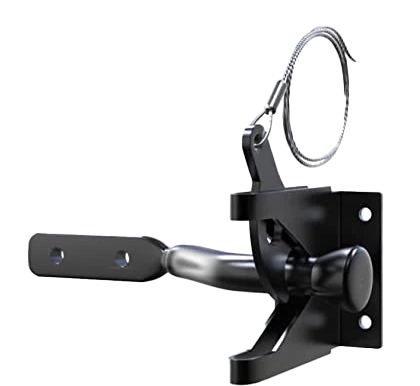
Best Lock for Vinyl Gates: Yardlock Gate Lock (Standard Model)
The standard model works beautifully on vinyl because:
-
It is lightweight and does not stress flexible vinyl posts
-
The mounting system accommodates slight structural flex
-
It does not require deep drilling that could crack the PVC
-
Weather-resistant parts prevent UV or heat damage
Installation Tip
Drill slowly. Vinyl can crack if drilled too fast or with excessive pressure. Use pilot holes for best results.
Why It Works
-
Designed for universal mounts
-
Perfect weight for vinyl structures
-
Resistant to fading, cracking, and UV wear
For more guidance, Yardlock’s post What to Know Before Buying a Keyless Outdoor Lock highlights how to match locks with lighter materials.
3. Metal Gates (Steel, Aluminum, Iron) — Durable but Prone to Corrosion
Metal gates offer strength, elegance, and longevity, but they bring two challenges:
-
Corrosion from moisture, chlorine, or salt
-
Thermal expansion that affects latch alignment
Metal gates require locks that can handle weather and resist rust.
4. Composite Gates — Hybrid Strength, Modern Look
Composite fencing blends wood fibers + plastic, creating a durable hybrid with minimal maintenance. It behaves differently from both vinyl and wood—less expansion, more rigidity—but it still needs a lock compatible with mixed-density materials.
How to Make Sure Your Lock Performs Long-Term
Regardless of material, all gates benefit from good installation and seasonal checks.
-
Keep hinges rust-free
-
Clean debris around latch
-
Test self-latching weekly
-
Apply silicone lubricant every few months
-
Ensure the gate swings freely without obstruction
When to Upgrade Your Lock
If any of these apply, it’s time for a Yardlock upgrade:
-
Your current lock freezes in winter
-
Keyholes rust or collect moisture
-
The gate won’t latch without forcing it
-
You keep losing keys or loaning them out
-
Your lock corrodes in salty or coastal climates
-
You’re installing a new gate or new material
Mechanical, keyless systems are simply more reliable for outdoor environments—especially in variable climates.
Conclusion
The best gate lock isn’t just about security—it’s about material compatibility.
-
Wood works best with flexible, adjustable mounts.
-
Vinyl requires lightweight, non-stress hardware.
-
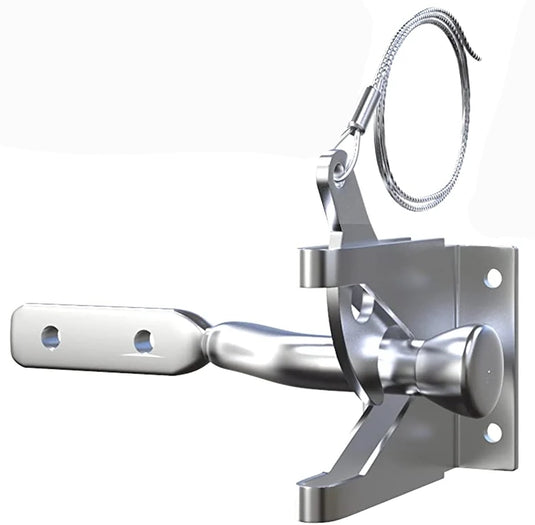
Metal demands corrosion-resistant stainless steel.
-
Composite calls for universal mounting with balanced tension.
Yardlock offers purpose-designed lock models for each material, ensuring long-term safety, stability, and weather performance. Choosing the right lock now prevents frustration later—and guarantees smooth, secure access for years to come.
Frequently Asked Questions
Q: 1. Can one YARDLOCK model fit all gate materials?
A: The XLB is the closest to a universal model, but the XLS is best for metal, and the standard model is ideal for wood and vinyl.
Q: 2. What’s the most weatherproof YARDLOCK model?
A: The Yardlock Gate Lock XLS—its stainless-steel build is designed for harsh winters, salt, and moisture.
Q: 3. Are YARDLOCK locks child and pet safe?
A: Yes. When installed at proper height, Yardlock’s self-latching system helps keep kids and pets safely inside fenced areas.
Q: 5. Do YARDLOCK locks need electricity or batteries?
A: No. All Yardlock locks are 100% mechanical, making them reliable year-round in any climate.