10 Easy Tips to Fix Uneven Gate Posts with Smooth Locks

Installing a gate lock seems simple—until you’re working with an uneven post. Whether caused by shifting soil, natural wood expansion, frost movement, or older fence construction, uneven posts make gate alignment tricky. And if the alignment is off, even the best lock won’t latch reliably.
Improper installation on an uneven post leads to the most common gate issues homeowners face: sticking latches, sagging gates, locks that refuse to close, and gaps that compromise child and pet safety. The good news is that with a few smart adjustments—and the right lock—you can get smooth, secure operation even on imperfect posts.
This guide walks you through the biggest mistakes people make when installing a gate lock on uneven posts, and shows how Yardlock’s keyless mechanical locks solve these challenges better than traditional hardware.
Why Uneven Posts Happen (and Why They Matter)
Gate posts are rarely perfectly straight. Over time, they can lean, bow, or twist due to:
-
Soil settling
-
Freeze–thaw cycles
-
Root pressure
-
Rotting wood
-
Expansion and contraction from weather
-
Poor original installation
Even a slight shift—sometimes just a few millimeters—can prevent a latch from engaging. This becomes a safety issue, especially for homes with kids, pets, or pools. That’s why selecting the right lock and avoiding installation errors is essential for long-term performance.
Common Installation Mistake #1: Ignoring Alignment Before Installing
The number one mistake is installing the lock before checking whether the gate and post line up properly. Many homeowners assume the lock will “fix” alignment issues, but no lock can compensate for a gate that doesn’t close squarely.
What to Do Instead
-
Close the gate slowly and watch where the latch naturally wants to land
-
Check for gaps between the gate edge and the post
-
Note whether the strike plate sits above or below the latch point
-
Correct hinge sag before installing the lock
A perfect lock installed in the wrong spot will still fail—so alignment comes first.
Mistake #2: Forcing the Lock to Fit a Twisted or Warped Post
Wood posts often twist slightly as they age. Homeowners sometimes force the lock to sit flat by over-tightening screws, which strains the housing.
Why This Fails
-
It warps the lock body
-
The dial mechanism binds
-
The latch doesn’t line up consistently
-
Seasonal changes worsen the misalignment
Yardlock Solution
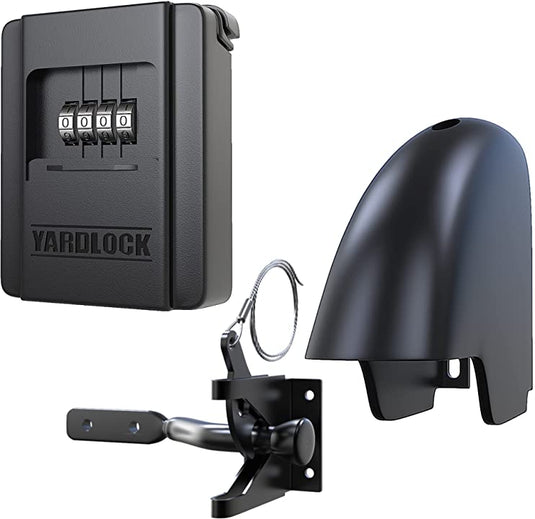
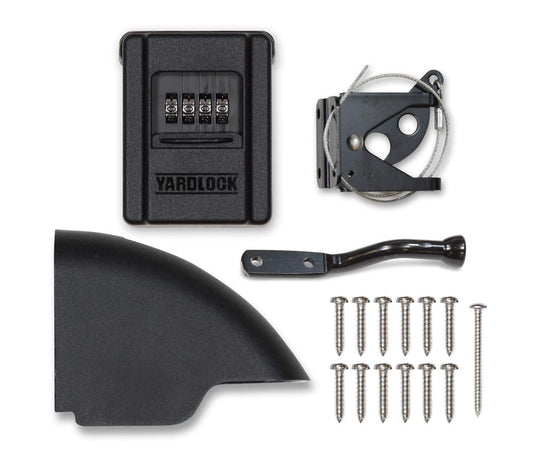
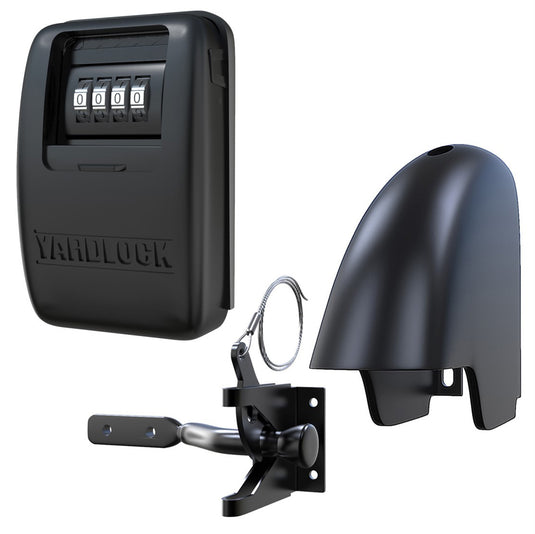
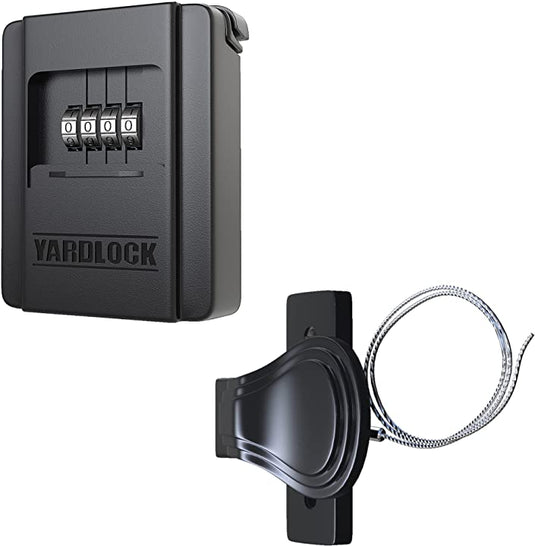
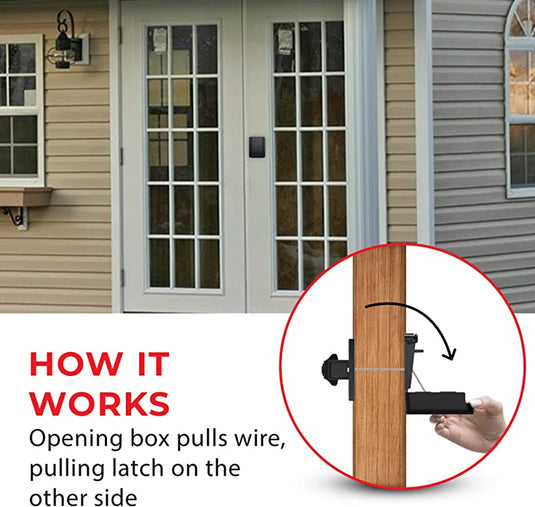
The Yardlock Gate Lock (Standard Model) uses a floating mounting plate, which allows the lock to sit naturally even on uneven surfaces. This prevents strain and maintains smooth, self-latching performance.
Mistake #3: Mounting the Strike Plate Before Finding the True Latch Point
The strike plate must meet the latch exactly—yet many installers mount it too early. On uneven posts, the latch point may be slightly higher, lower, or angled.
What to Do Instead
-
Temporarily hold the lock in place.
-
Close the gate several times to see where the latch meets the post.
-
Mark that exact location before mounting the strike plate.
This ensures the lock latches properly even as posts shift over time.
Mistake #4: Not Accounting for Gate Sag
Sag is the silent killer of gate locks. Over time, gravity pulls the gate downward, changing where the latch lands.
Signs of Sag
-
The bottom corner of the gate drags
-
The latch no longer catches without lifting the gate
-
Hinges squeak or feel loose
Fixes
-
Tighten hinge screws
-
Replace worn hinges
-
Add a gate brace
-
Install the lock after correcting sag
If you install a lock before correcting sag, it will stop working once winter or moisture adds pressure to the frame.
Mistake #5: Using the Wrong Lock for the Material
Uneven posts behave differently depending on material:
-
Wood moves the most
-
Vinyl flexes
-
Metal expands in heat
-
Composite may be rigid but dense
Using the wrong lock increases failure rates.
Best Material Matches
-
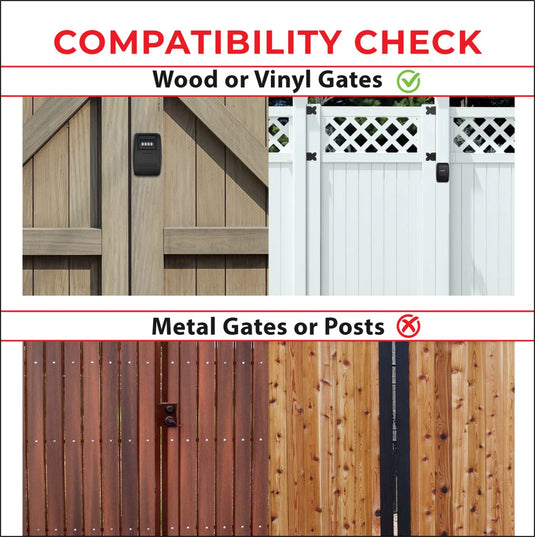
Wood or Vinyl → Yardlock Gate Lock (Standard Model)
-
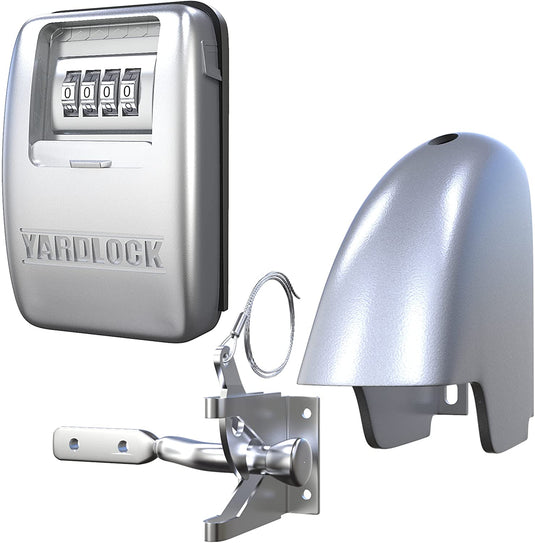
Metal → Yardlock Gate Lock XLS (Stainless Steel)
-
Composite → Yardlock XLB Universal Combination System
Mistake #6: Over-Tightening Screws
Over-tightening seems like a good way to keep hardware stable, but it backfires—especially on uneven posts.
Why Over-Tightening Fails
-
Warps wood
-
Cracks vinyl
-
Bends thin metal posts
-
Prevents floating mounts from adjusting
Screws should be snug, not strained.
Mistake #7: Ignoring Seasonal Gate Movement
Posts shift differently depending on the season. Winter can push metal posts upward. Heat can cause vinyl to expand. Wood swells in humidity.
Homeowners often:
-
Install a lock in January… then it stops working in July
-
Mount a strike plate during summer… then it freezes misaligned in winter
How to Avoid This
-
Test alignment during several temperature changes if possible
-
Leave slight tolerance in latch spacing
-
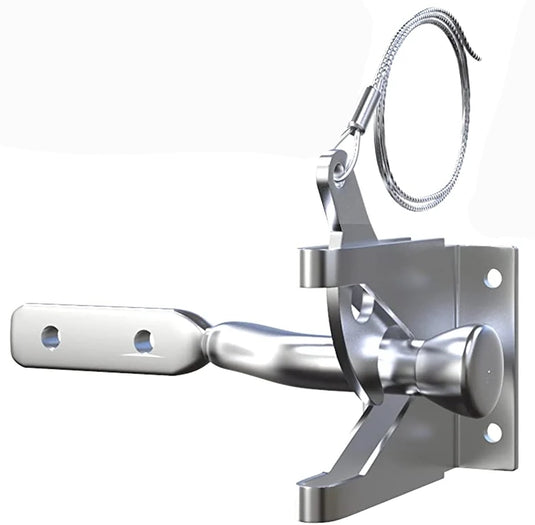
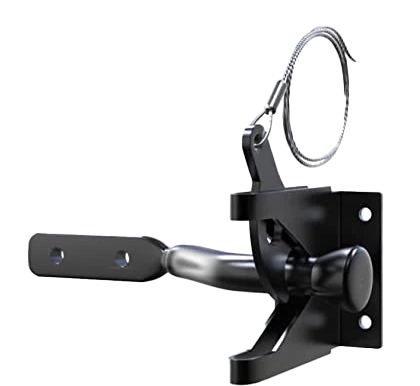
Choose a lock with flexible components, like Yardlock’s self-adjusting latch functionality
The Ultimate Backyard Gate Maintenance Schedule (Season-by-Season) dives deeper into seasonal alignment checks.
Mistake #8: Not Using the Gate’s “Natural” Closing Path
On uneven posts, the gate often does not close in a straight line. Many installers force the latch to match a straight path even though the gate swings at a slight angle.
Instead, position the lock to follow the gate’s natural movement. The goal is for the latch to glide into place—not fight the post.
Mistake #9: Installing Too Low
A common mistake is installing the lock lower on the post because it “looks centered.”
But lower points are:
-
More exposed to snow
-
More affected by ground frost
-
More vulnerable to flex from kids and pets pushing on the gate
Installing higher reduces movement and keeps the lock more stable on uneven posts.
Mistake #10: Neglecting Weatherproofing
Uneven posts are more prone to moisture infiltration. Failing to weatherproof leads to:
-
Rust
-
Expansion of wood fibers
-
Swelling that shifts alignment
-
Frozen latches
Before installing the lock:
-
Seal the wood post
-
Clean off mildew or algae
-
Avoid installing on wet or frozen surfaces
-
Use silicone, not oil, on moving parts
For harsh winter areas, Yardlock’s stainless Gate Lock XLS offers unmatched resistance to snow, salt, and temperature swings.

How Yardlock Locks Solve Uneven-Post Problems
Yardlock products outperform traditional padlocks and keyed systems on uneven posts because they offer:
✔ Floating Mounting Design
Allows natural movement without stressing the mechanism.
✔ Adjustable Strike Plates
Make it easy to compensate for slight shifts in alignment.
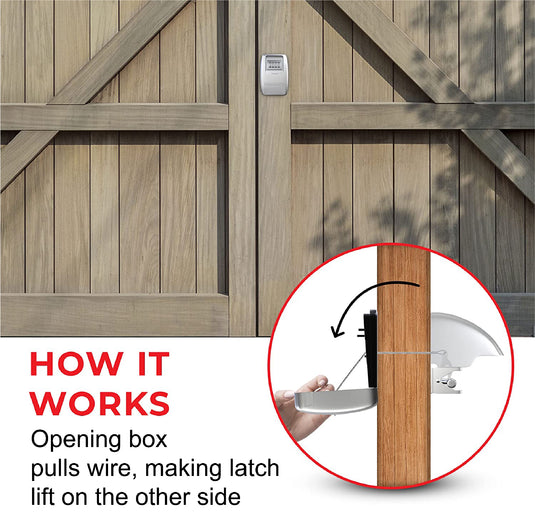
✔ Self-Latching Function
Ensures the gate secures itself even if movement occurs.
✔ Weather-Sealed Housing
Prevents moisture, rust, and swelling issues.
✔ No Batteries, Keys, or Electronics
Meaning uneven surfaces, frost heave, or moisture don’t affect performance.
Quick Installation Checklist for Uneven Posts
Before installing your lock, always check:
-
Gate closes smoothly
-
Post lean is measured and compensated
-
Strike plate marks are accurate
-
Screws are snug, not over-tight
-
Seasonal movement is considered
-
Material-compatible lock is chosen
-
Latch tolerance is slightly generous on uneven posts
Conclusion
Uneven posts don’t have to ruin your gate’s functionality—or your security. By avoiding the most common installation mistakes and choosing a flexible, weather-resistant lock like Yardlock’s keyless gate locks, you can enjoy smooth operation even on imperfect frames.
Take your time with alignment, choose the right model for your gate material, and leave room for natural seasonal movement. With smart planning and Yardlock hardware, even a crooked post can hold a perfectly functional, long-lasting lock.
Frequently Asked Questions
Q: 1. Can I install a Yardlock on a post that isn’t level?
A: Yes. Yardlock locks are designed with floating and adjustable components that compensate for uneven posts.
Q: 2. What’s the best Yardlock model for older, warped wooden posts?
A: The Yardlock Gate Lock (Standard Model) performs best because its adjustable mount accommodates wood expansion and distortion.
Q: 3. Do uneven posts get worse in winter?
A: Often yes. Freeze–thaw cycles can push posts upward or sideways, making alignment critical.
Q: 4. How do I know if my latch point is correct?
A: Close the gate naturally several times and mark where the latch meets the strike plate—not where you think it “should” meet.
Q: 5. Will a Yardlock work if my gate sags?
A: Yes, but you must correct the sag first. After hinge tightening or bracing, the Yardlock will maintain consistent latching.