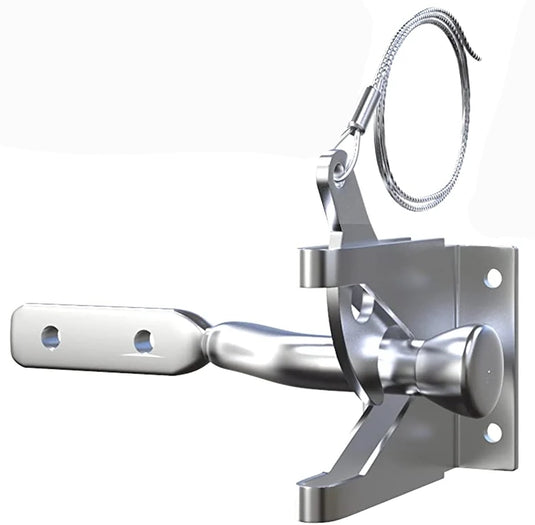
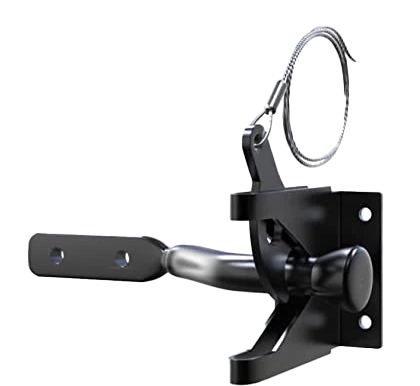
Fix Common Gate Alignment Problems That Ruin Lock Performance

If your gate lock feels stiff, doesn’t close smoothly, or randomly pops open, there’s a good chance the lock isn’t the real problem. Gate alignment issues are one of the most common reasons locks fail—especially outdoor locks exposed to weather, daily use, and shifting ground.
Homeowners often replace locks thinking they’re defective, when in reality the gate itself is slightly off. The good news? Most of the alignment problems are easy to spot and fix once you know what to look for.
Let’s walk through the most common gate alignment problems, how they affect lock performance, and how to fix them—without turning your weekend into a construction project.
Why Gate Alignment Matters More Than You Think
A gate lock is designed to work when everything lines up perfectly: the gate, the latch, the post, and the lock mechanism. Even being off by a few millimeters can cause:
-
Hard-to-close gates
-
Locks that won’t fully engage
-
Premature wear on lock components
-
Reduced security
This is something Yardlock has consistently highlighted across its educational content—especially when discussing real-world gate conditions rather than “perfect” installs.
Problem #1: Sagging Gates (The Most Common Culprit)
What’s Happening
Over time, gates naturally sag due to gravity, loose hinges, or heavy materials like wood or steel. When a gate sags, the lock and latch no longer meet correctly.
Quick Read: What are the best gate lock for a wooden gate?
Signs Your Gate Is Sagging
-
The gate scrapes the ground when opening
-
You have to lift the gate to lock it
-
The latch hits the post instead of sliding in
How It Ruins Lock Performance
A sagging gate puts constant pressure on the lock. This can cause combination dials to feel tight or prevent the locking bolt from fully engaging.
How to Fix It
-
Tighten or replace loose hinge screws
-
Add a diagonal support cable or brace
-
Adjust hinge height slightly if possible
If you’re using a Yardlock keyless gate lock, fixing sagging is especially important because proper alignment ensures the internal latch operates smoothly without forcing the mechanism.

Problem #2: Leaning or Shifting Gate Posts
What’s Happening
Gate posts shift due to soil movement, freeze-thaw cycles, or poor initial installation. Even a slight lean can throw off the entire lock system.
Why This Is Common
Outdoor posts are constantly exposed to:
-
Rain and moisture
-
Soil erosion
-
Temperature changes
How It Affects Your Lock
A leaning post changes where the latch meets the strike point. The lock may appear to work one day and fail the next—especially after rain.
Fix Options
-
Add concrete reinforcement at the base
-
Use a post anchor or brace
-
Adjust the latch position slightly if movement is minimal
Yardlock’s heavy-duty gate locks are designed to tolerate minor shifts, but correcting the post alignment will dramatically extend lock life.
Problem #3: Warped Wooden Gates
What’s Happening
Wood expands and contracts with humidity and temperature changes. Over time, this causes warping, twisting, or bowing.
Warning Signs
-
Gate won’t sit flat against the post
-
Lock alignment changes seasonally
-
One corner sticks out more than the other
Why Locks Struggle on Warped Gates
Warping pulls the lock out of square, which can cause:
-
Incomplete locking
-
Extra friction on internal parts
-
Difficulty turning combination dials
This is where surface-mounted locks like Yardlock shine, because they’re easier to adjust as wood naturally shifts.
How to Reduce the Issue
-
Seal or stain wood regularly
-
Add anti-sag braces
-
Adjust lock mounting position slightly
Yardlock’s combination gate locks are often recommended in climates where wood movement is unavoidable.
Problem #4: Misaligned Hinges
What’s Happening
Hinges can bend, loosen, or be installed unevenly from the start.
How to Spot It
-
Gate swings open or closed on its own
-
One hinge looks higher than the other
-
Lock alignment improves when you push the gate
Why This Destroys Lock Performance
Locks are not designed to compensate for hinge errors. Misaligned hinges force the lock to absorb movement it wasn’t built for.
The Fix
-
Realign hinges so they’re level
-
Replace bent hinges
-
Use adjustable hinges for fine-tuning
Once hinges are corrected, combination locks like Yardlock’s outdoor keyless lock typically return to smooth operation instantly.
Problem #5: Latch and Strike Plate Misalignment
What’s Happening
Sometimes the gate itself is fine, but the latch and strike plate don’t line up anymore due to movement or settling.
Symptoms
-
Lock almost works, but not consistently
-
Clicking sound without locking
-
You need to jiggle the gate
Easy Fix
-
Reposition the strike plate slightly
-
Use elongated screw holes for adjustment
-
Avoid forcing the lock—it causes wear
This is one of the simplest fixes and often overlooked. Yardlock frequently emphasizes this in its installation guides.
How Proper Alignment Improves Family Safety
Alignment issues aren’t just annoying—they’re a safety risk.
For families with kids or pets, a gate that “almost locks” is dangerous.
A properly aligned gate ensures:
-
Locks engage fully
-
Gates self-close correctly
-
Access stays controlled
This is especially important for pool gates, side yards, and garden entrances.
Yardlock Products That Handle Alignment Challenges Better
While fixing alignment is essential, choosing the right lock also matters.
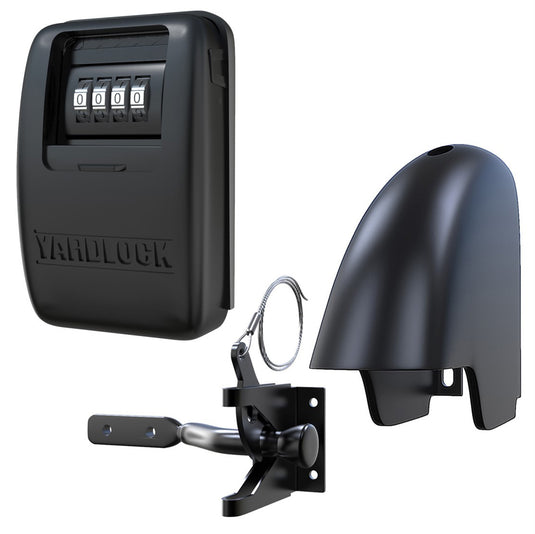
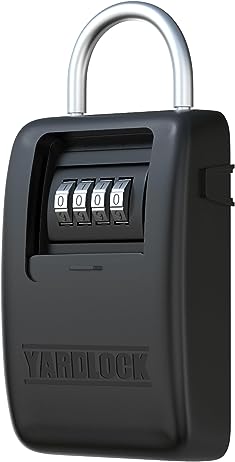
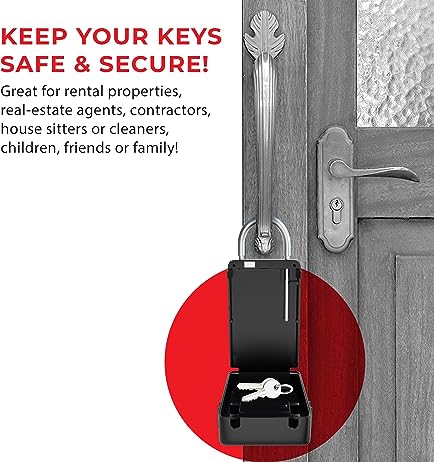
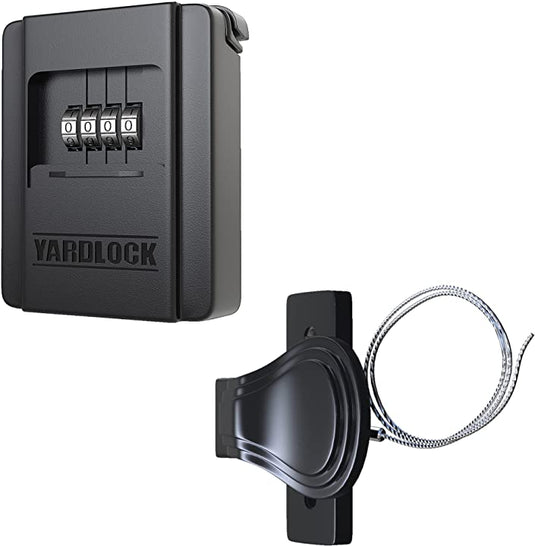
Yardlock Keyless Gate Lock
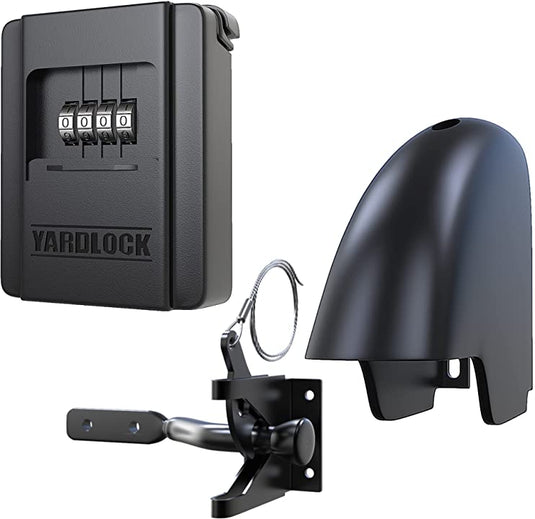
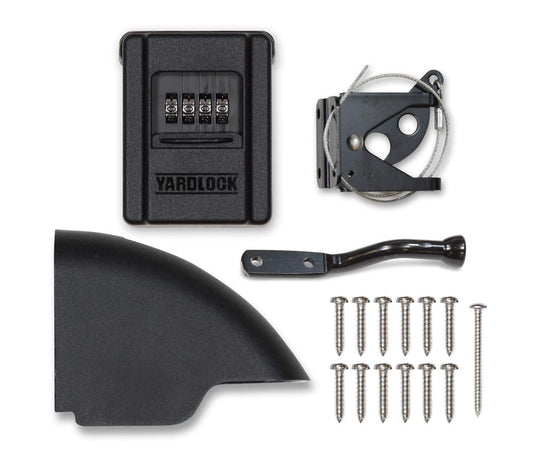
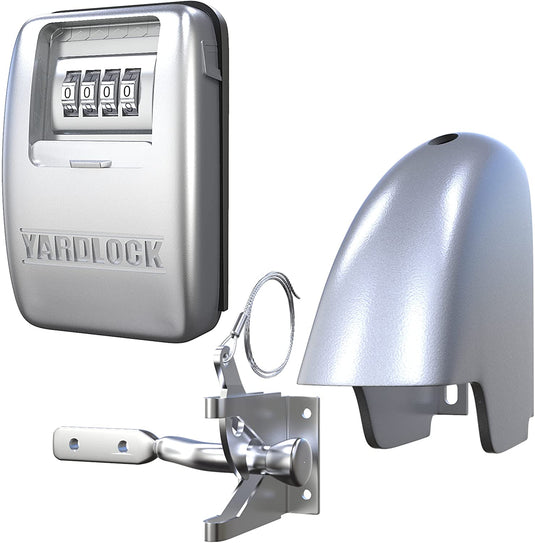
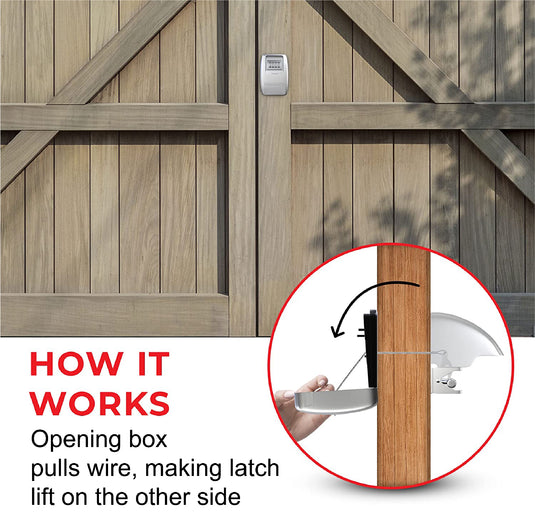
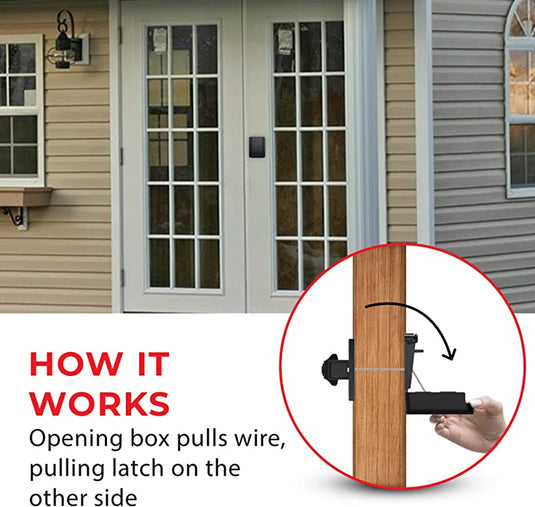
Designed to work on slightly uneven gates, this lock mounts directly to the gate frame and resists pressure caused by minor misalignment.
Yardlock Combination Gate Lock
Ideal for family homes, this lock eliminates key issues while maintaining strong performance—even when gates expand, contract, or shift slightly over time.
Prevent Alignment Problems Before They Start
A few preventative steps can save you years of frustration:
-
Check hinge screws annually
-
Watch for early signs of sag
-
Seal wooden gates regularly
-
Avoid slamming gates
Final Thoughts
If your gate lock isn’t performing the way it should, don’t blame the lock just yet. In most cases, gate alignment is the real issue—and fixing it can instantly restore security, usability, and peace of mind.
Yardlock consistently shows that strong outdoor security starts with understanding how gates actually behave in real homes. When alignment and quality hardware work together, your lock does exactly what it’s meant to do—every time.